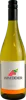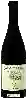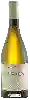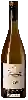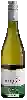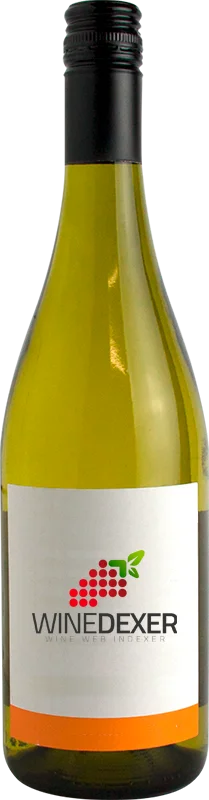
Les Vignerons du SommiéroisEsprit Bio Sauvignon Blanc
 White wine



This wine generally goes well with vegetarian, rich fish (salmon, tuna etc) or shellfish.
Food and wine pairings with Esprit Bio Sauvignon Blanc
Pairings that work perfectly with Esprit Bio Sauvignon Blanc



Original food and wine pairings with Esprit Bio Sauvignon Blanc
The Esprit Bio Sauvignon Blanc of Les Vignerons du Sommiérois matches generally quite well with dishes of rich fish (salmon, tuna etc), shellfish or vegetarian such as recipes of congolese pondu, seafood pie or goat cheese and bacon quiche.
Details and technical informations about Les Vignerons du Sommiérois's Esprit Bio Sauvignon Blanc.
Discover the grape variety: Nosiola
This is an ancient indigenous variety that has been cultivated for a long time in the north-east of Italy, particularly in the Trentino-Alto Adige region, although it has been somewhat neglected. It is related to rèze and groppello bianco, but should not be confused with veneto durella. The Nosiola can be found in Spain, Australia, ... in France it is almost unknown.
Last vintages of this wine
The best vintages of Esprit Bio Sauvignon Blanc from Les Vignerons du Sommiérois are 2016, 2017
Informations about the Les Vignerons du Sommiérois
The Les Vignerons du Sommiérois is one of of the world's great estates. It offers 67 wines for sale in the of Languedoc-Roussillon to come and discover on site or to buy online.

The wine region of Languedoc-Roussillon
Languedoc (formerly Coteaux du Languedoc) is a key appellation used in the Languedoc-Roussillon wine region of southern France. It covers Dry table wines of all three colors (red, white and rosé) from the entire region, but leaves Sweet and Sparkling wines to other more specialized appellations. About 75% of all Languedoc wines are red, with the remaining 25% split roughly down the middle between whites and rosés. The appellation covers most of the Languedoc region and almost a third of all the vineyards in France.
The word of the wine: Film maceration
A technique that consists of leaving the grapes to macerate in the open air at a low temperature before fermentation, thus enhancing the aromatic expression of the wine.