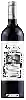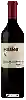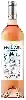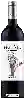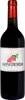
Les Vignerons de TrémoineRasiguères Côtes du Roussillon Blanc
 White wine


In the mouth this white wine is a .
This wine generally goes well with vegetarian, poultry or lean fish.
Taste structure of the Rasiguères Côtes du Roussillon Blanc from the Les Vignerons de Trémoine
Light | Bold | |
Dry | Sweet | |
Soft | Acidic |
In the mouth the Rasiguères Côtes du Roussillon Blanc of Les Vignerons de Trémoine in the region of Languedoc-Roussillon is a .
Food and wine pairings with Rasiguères Côtes du Roussillon Blanc
Pairings that work perfectly with Rasiguères Côtes du Roussillon Blanc



Original food and wine pairings with Rasiguères Côtes du Roussillon Blanc


The Rasiguères Côtes du Roussillon Blanc of Les Vignerons de Trémoine matches generally quite well with dishes of pasta, vegetarian or poultry such as recipes of pumpkin and courgette lasagne, spinach and goat cheese quiche or moist parmesan steak.
Details and technical informations about Les Vignerons de Trémoine's Rasiguères Côtes du Roussillon Blanc.
Discover the grape variety: Madina
Crossing obtained in 1964 between the cardinal and the sultana, registered in 1989 in the Official Catalogue of table grape varieties list A1.
Last vintages of this wine

The best vintages of Rasiguères Côtes du Roussillon Blanc from Les Vignerons de Trémoine are 2019, 2018, 2017
Informations about the Les Vignerons de Trémoine
The Les Vignerons de Trémoine is one of of the world's greatest estates. It offers 31 wines for sale in the of Côtes du Roussillon to come and discover on site or to buy online.

The wine region of Côtes du Roussillon
Côtes du Roussillon is an appellation contrôlée for red, white and rosé wines from the Roussillon wine region in southern France. It covers the eastern half of the administrative district of the Pyrénées-Orientales, on the eastern edge of the Pyrenees. The western half of the Pyrenees-Orientales is simply too mountainous for effective viticulture. In the Côtes du Roussillon wine-growing area is the Aspres sub-region.
The wine region of Languedoc-Roussillon
Languedoc (formerly Coteaux du Languedoc) is a key appellation used in the Languedoc-Roussillon wine region of southern France. It covers Dry table wines of all three colors (red, white and rosé) from the entire region, but leaves Sweet and Sparkling wines to other more specialized appellations. About 75% of all Languedoc wines are red, with the remaining 25% split roughly down the middle between whites and rosés. The appellation covers most of the Languedoc region and almost a third of all the vineyards in France.
The word of the wine: Tartar (deposit)
White, chalky deposits that occur as a result of precipitation inside bottles and are often considered by consumers as a defect. They are in fact tartaric salts formed by tartaric acid, potassium and calcium naturally present in the wine. This deposit does not alter the quality of the wine and can be eliminated by a simple decanting.