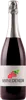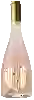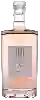
Les Vignerons de Muscat de LunelFleur de Lune Rosé
 Pink wine
This wine generally goes well with vegetarian, appetizers and snacks or lean fish.
The Fleur de Lune Rosé of the Les Vignerons de Muscat de Lunel is in the top 10 of wines of Languedoc-Roussillon.

Food and wine pairings with Fleur de Lune Rosé
Pairings that work perfectly with Fleur de Lune Rosé



Original food and wine pairings with Fleur de Lune Rosé


The Fleur de Lune Rosé of Les Vignerons de Muscat de Lunel matches generally quite well with dishes of pasta, vegetarian or appetizers and snacks such as recipes of pasta carbonara almost like the real thing, quiche without pastry or biscuits for dogs.
Details and technical informations about Les Vignerons de Muscat de Lunel's Fleur de Lune Rosé.
Discover the grape variety: Carignan Gris
Lively, aromatic dry whites and pale rosés with a golden-to-salmon colour and a crisp, elegant palate; signature aromas of yellow fruits (peach, apricot), citrus, white flowers and Mediterranean notes. Original Mediterranean profile. Increasingly prized by Roussillon winemakers for small-batch, atypical cuvées. A grey-skinned mutation of Carignan, grown in small quantities in Languedoc-Roussillon, France.
Informations about the Les Vignerons de Muscat de Lunel
The Les Vignerons de Muscat de Lunel is one of of the world's great estates. It offers 14 wines for sale in the of Languedoc-Roussillon to come and discover on site or to buy online.

The wine region of Languedoc-Roussillon
Largest single French vineyard, dominated by sunny, generous reds. Spicy Syrah, candied Grenache (ripe fruit, garrigue), structured Carignan, deep Mourvèdre, supple Cinsault. Stars: structured Corbières, Minervois, Faugères, Saint-Chinian; round Côtes-du-Roussillon. Legendary vins doux naturels: Banyuls and Maury (fortified Grenache) with notes of cocoa, fig, prune.
The word of the wine: Yellow wine
White wines from the Jura region aged in oak barrels without topping up for at least 6 years. A veil of yeast forms on the surface of the wine, which undergoes slow oxidation, giving it a particular taste reminiscent of nuts.