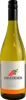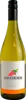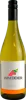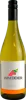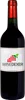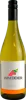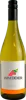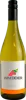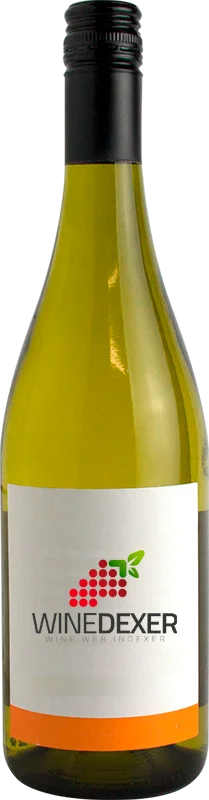
Les Vignerons de la MosellePinot Gris
 White wine


This wine generally goes well with rich fish (salmon, tuna etc), shellfish or mature and hard cheese.

Wine flavors and olphactive analysis

On the nose the Pinot Gris of Les Vignerons de la Moselle in the region of Moselle often reveals types of flavors of earth, tree fruit or citrus fruit.
Food and wine pairings with Pinot Gris
Pairings that work perfectly with Pinot Gris



Original food and wine pairings with Pinot Gris
The Pinot Gris of Les Vignerons de la Moselle matches generally quite well with dishes of rich fish (salmon, tuna etc), shellfish or mature and hard cheese such as recipes of quick salmon skewers, raoul's bouillabaisse or high savoyard chicken !.
Details and technical informations about Les Vignerons de la Moselle's Pinot Gris.
Discover the grape variety: Pinot gris
Rich, ample whites with a golden robe, showing aromas of pear, quince, honey, smoke, ginger and spice. Made as structured dry wines (Alsace AOC), off-dry and sumptuous late-harvest sweet (vendange tardive, sélection de grains nobles). Lighter and crisper in Italy as Pinot Grigio (Veneto, Friuli). Also in Germany (Grauburgunder), Hungary (Szürkebarát) and Oregon. A grey mutation of Pinot Noir.
Last vintages of this wine
The best vintages of Pinot Gris from Les Vignerons de la Moselle are 2019, 0, 2018
Informations about the Les Vignerons de la Moselle
The Les Vignerons de la Moselle is one of of the world's great estates. It offers 17 wines for sale in the of Moselle to come and discover on site or to buy online.

The wine region of Moselle
World benchmark for cool-climate German Riesling, on vertiginous blue and grey slate slopes. Pure, precise whites with signature notes of lime, green apple, white peach, white flowers and marked chalky minerality ("gunflint"), low alcohol (~8-10%), taut acidity and crystalline tension. From dry Kabinett to sweet Auslese, up to luscious Beerenauslese, Trockenbeerenauslese and Eiswein. Also Müller-Thurgau and Elbling.
The word of the wine: Overmaturation
When the grapes reach maturity, the skin becomes permeable and progressively loses water, which causes a concentration phenomenon inside the berry. This is called over-ripening or passerillage.