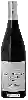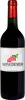
Domaine Les Promesses de la TerreLa Rosée d’Auriol Syrah
 Pink wine



This wine generally goes well with beef, lamb or mature and hard cheese.

Food and wine pairings with La Rosée d’Auriol Syrah
Pairings that work perfectly with La Rosée d’Auriol Syrah



Original food and wine pairings with La Rosée d’Auriol Syrah

The La Rosée d’Auriol Syrah of Domaine Les Promesses de la Terre matches generally quite well with dishes of beef, lamb or spicy food such as recipes of beef enchilladas au gratin, tajine of merguez and potatoes or chinese noodles with shrimp.
Details and technical informations about Domaine Les Promesses de la Terre's La Rosée d’Auriol Syrah.
Discover the grape variety: Criolla grande
Light reds with a pale ruby robe, soft tannins, and an airy palate, with simple aromas of red fruits (cherry, strawberry) and floral notes. Accessible, easy-drinking profile. Grown mainly in Mendoza, contributing to Argentine table wines and economical blends. An Argentine black variety descended from grapes brought by Spanish missionaries in the 16th century, vigorous and productive.
Informations about the Domaine Les Promesses de la Terre
The Domaine Les Promesses de la Terre is one of of the world's greatest estates. It offers 10 wines for sale in the of Pays d'Oc to come and discover on site or to buy online.

The wine region of Pays d'Oc
The single-grape IGP par excellence: modern, accessible, frank and fruity wines, the popular signature of the Midi. Spicy Syrah reds (pepper, blackberry), round Merlot, structured Cabernet, generous Grenache, supple Cinsault. Crisp, tangy rosés. Opulent Chardonnay whites, lively Sauvignon, floral, apricoty Viognier.
The word of the wine: INAO
National Institute of Origin and Quality. French organization depending on the Ministry of Agriculture and in charge of quality signs: AOC, IGP, labels and organic farming.