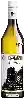
Winery Les Frères DuboisLune Blanche Assemblage de Cépages Nobles
 White wine


This wine is a blend of 3 varietals which are the Chardonnay, the Riesling and the Sylvaner.
This wine generally goes well with pork, vegetarian or poultry.

Food and wine pairings with Lune Blanche Assemblage de Cépages Nobles
Pairings that work perfectly with Lune Blanche Assemblage de Cépages Nobles



Original food and wine pairings with Lune Blanche Assemblage de Cépages Nobles



The Lune Blanche Assemblage de Cépages Nobles of Winery Les Frères Dubois matches generally quite well with dishes of pork, rich fish (salmon, tuna etc) or spicy food such as recipes of sauté of veal with olives (corsica), pasta with tuna and cream or island grouper.
Details and technical informations about Winery Les Frères Dubois's Lune Blanche Assemblage de Cépages Nobles.
Discover the grape variety: Chardonnay
Whites with many faces: mineral and taut at Chablis (lemon, green apple, flint), opulent and buttery at Meursault and Puligny-Montrachet (hazelnut, brioche, yellow fruits), tense and chalky in Champagne (Blanc de Blancs). Also vinified sparkling and widely exported (Sonoma, Margaret River, Casablanca). A Burgundian variety, a cross of Pinot Noir × Gouais Blanc, half-sibling of Aligoté.
Last vintages of this wine
The best vintages of Lune Blanche Assemblage de Cépages Nobles from Winery Les Frères Dubois are 2013, 2017, 0
Informations about the Winery Les Frères Dubois
The Winery Les Frères Dubois is one of of the world's greatest estates. It offers 31 wines for sale in the of Vaud to come and discover on site or to buy online.

The wine region of Vaud
World reference for Chasselas (~60% of the vineyard). Mineral, delicate whites with signature notes of green apple, citrus, white flowers, fresh almond and a saline touch, low acidity and a silky palate. Maximum expression in Lavaux (UNESCO 2007) on Lake Geneva terraces. Also La Côte, Chablais and the iconic Dézaley.
The word of the wine: AOC
Appellation d'origine contrôlée. The most prestigious category of French wines created in the 1930s on the basis of quality criteria defined by a geographical delimitation, a chosen grape variety and precise production rules.