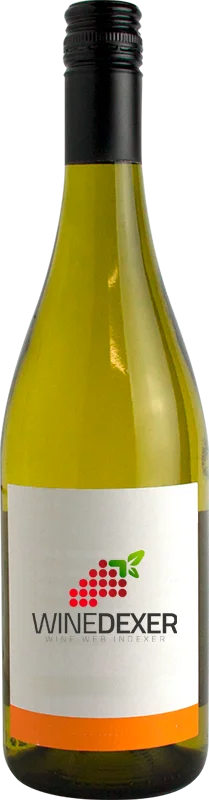
Winery Les Couleurs de Genève3/9 Sauvignon
 White wine


This wine generally goes well with vegetarian, rich fish (salmon, tuna etc) or shellfish.
Wine flavors and olphactive analysis

Food and wine pairings with 3/9 Sauvignon
Pairings that work perfectly with 3/9 Sauvignon



Original food and wine pairings with 3/9 Sauvignon
The 3/9 Sauvignon of Winery Les Couleurs de Genève matches generally quite well with dishes of rich fish (salmon, tuna etc), shellfish or vegetarian such as recipes of salmon steak on a bed of leeks, cassolettes of scallops or mushroom, bacon and gruyere quiche.
Details and technical informations about Winery Les Couleurs de Genève's 3/9 Sauvignon.
Discover the grape variety: Sauvignonasse
Would be the friulano - before 2007 called tocai friulano - from Veneto in Italy. It would be a distant relative of furmint and Jean-Michel Boursiquot (2019) states that it is the father or mother of chenin blanc. However, Sauvignonasse has nothing to do with Sauvignon Blanc, which it was once mixed with in the Sauternes region. It can be found in Italy, Chile, Argentina, Russia, ... practically more multiplied in France.
Last vintages of this wine

The best vintages of 3/9 Sauvignon from Winery Les Couleurs de Genève are 2015, 0
Informations about the Winery Les Couleurs de Genève
The Winery Les Couleurs de Genève is one of of the world's greatest estates. It offers 9 wines for sale in the of Genève to come and discover on site or to buy online.

The wine region of Genève
Geneva, at the western end of Lac Léman (Lake Geneva), is the second-largest city in Switzerland and the country's third-largest wine producing canton after Valais and Vaud. Although not famously associated with wine, the city and its environs are home to numerous Vineyards and wineries, some within just a few miles of the Center. At 1,400 hectares (3,500 acres), Geneva accounts for 10 percent of the country's vineyard area. Gamay is the predominant variety here, with the Swiss workhorse Chasselas (often labelled "Fendant") and Pinot Noir taking second and third place respectively.
The word of the wine: Basic wine
Dry, still wine intended for the production of sparkling wines (champagne, crémants, etc.). The basic wines undergo a second fermentation in the bottle for the production of carbon dioxide, and therefore of bubbles.