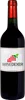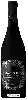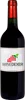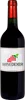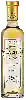
Winery Lenz MoserBeerenauslese Selection
 Sweet wine


This wine generally goes well with pork, vegetarian or poultry.

Food and wine pairings with Beerenauslese Selection
Pairings that work perfectly with Beerenauslese Selection



Original food and wine pairings with Beerenauslese Selection



The Beerenauslese Selection of Winery Lenz Moser matches generally quite well with dishes of pork, rich fish (salmon, tuna etc) or spicy food such as recipes of cannelloni of meat, pumpkin and tuna gratin or braised chicken and plantains.
Details and technical informations about Winery Lenz Moser's Beerenauslese Selection.
Discover the grape variety: Riesling
Crystalline, taut whites with vibrant acidity and aromas of citrus, green apple, white flowers, vineyard peach and mineral/petrol notes with age. Made as dry (Trocken, Alsace), off-dry (Kabinett, Spätlese) and sweet (Auslese, Beerenauslese, Trockenbeerenauslese, late harvest). Star of the Moselle, Rheingau, Alsace AOC and Wachau. Also exported to Clare Valley and Finger Lakes.
Last vintages of this wine
The best vintages of Beerenauslese Selection from Winery Lenz Moser are 0
Informations about the Winery Lenz Moser
The Winery Lenz Moser is one of of the world's great estates. It offers 72 wines for sale in the of Burgenland to come and discover on site or to buy online.

The wine region of Burgenland
Cradle of great Austrian reds. Signature Blaufränkisch: structured, spicy reds with black fruits (blackberry, black cherry), firm tannins and lively acidity, mineral profile. More supple Zweigelt on red fruit. Lively Welschriesling, peppery Grüner Veltliner, round Chardonnay whites.
The wine region of Weinland
Vast German-speaking region in north-eastern Switzerland, the country's largest production area. Signature Pinot Noir (Blauburgunder): fine, fresh reds with notes of cherry, raspberry, undergrowth and sweet spices, silky tannins. Elegant, delicate style, often barrel-aged. Also light, floral Müller-Thurgau (Riesling-Sylvaner), lively, lemony native Räuschling, ample Pinot Gris.
The word of the wine: Phylloxera
Aphid that came from America and ravaged European vineyards at the end of the 19th century. It lives on the roots of the vine, from which it pumps the sap. The only vines capable of resisting it had to be imported from the United States, and then grafted onto their root system the wood of traditional French grape varieties. Today, grafted vines are always planted.