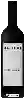
Winery LentschBlaufränkisch Höfortl
 Red wine



In the mouth this red wine is a powerful with a nice balance between acidity and tannins.
This wine generally goes well with poultry, beef or pasta.

Taste structure of the Blaufränkisch Höfortl from the Winery Lentsch
Light | Bold | |
Smooth | Tannic | |
Dry | Sweet | |
Soft | Acidic |
In the mouth the Blaufränkisch Höfortl of Winery Lentsch in the region of Weinland is a powerful with a nice balance between acidity and tannins.
Food and wine pairings with Blaufränkisch Höfortl
Pairings that work perfectly with Blaufränkisch Höfortl



Original food and wine pairings with Blaufränkisch Höfortl
The Blaufränkisch Höfortl of Winery Lentsch matches generally quite well with dishes of beef, pasta or poultry such as recipes of beef tenderloin wellington, makroud or fried rice noodles with chicken.
Details and technical informations about Winery Lentsch's Blaufränkisch Höfortl.
Discover the grape variety: País
Light reds with a pale ruby robe, soft, understated tannins, and an airy palate, offering signature aromas of red fruits (cherry, strawberry, plum), soft spices, and floral notes. Rustic, accessible profile. Enjoying a revival with artisan winemakers in Maule and Itata for heritage and natural cuvées. A historic Chilean black variety descended from grapes brought by Spanish missionaries in the 16th century.
Last vintages of this wine
The best vintages of Blaufränkisch Höfortl from Winery Lentsch are 0
Informations about the Winery Lentsch
The Winery Lentsch is one of of the world's great estates. It offers 28 wines for sale in the of Neusiedlersee to come and discover on site or to buy online.

The wine region of Neusiedlersee
Austrian home of Zweigelt on the east shore of Lake Neusiedl (Burgenland): signature DAC red (≥85%, 12° min) — fruity and harmonious with notes of morello cherry, black berries, fine herbs and a spicy touch, supple tannins and an elegant finish. Legendary sweet wines (botrytised Trockenbeerenauslese from the Seewinkel) in exceptional honeyed whites. Hot, dry continental Pannonian climate, varied gravelly and sandy soils. ~7,500 ha, Gols the epicentre, Zweigelt >70% of plantings.
The wine region of Weinland
Vast German-speaking region in north-eastern Switzerland, the country's largest production area. Signature Pinot Noir (Blauburgunder): fine, fresh reds with notes of cherry, raspberry, undergrowth and sweet spices, silky tannins. Elegant, delicate style, often barrel-aged. Also light, floral Müller-Thurgau (Riesling-Sylvaner), lively, lemony native Räuschling, ample Pinot Gris.
The word of the wine: Ampélographie
Study of the vine, and more particularly the grape varieties.