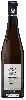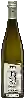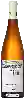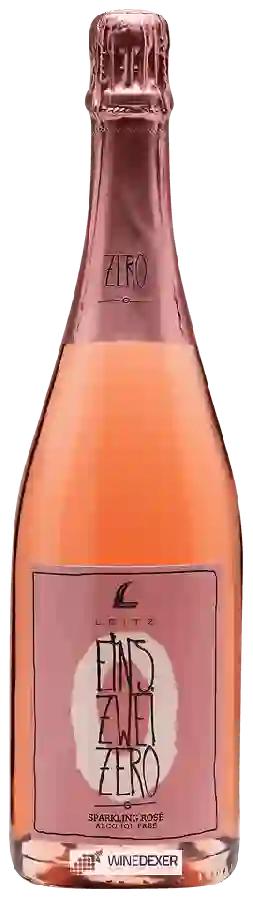
Winery LeitzEins Zwei Zero Sparkling Rosé
 Sparkling wine



This wine is a blend of 2 varietals which are the Pinot noir and the Merlot.
This wine generally goes well with pork, poultry or beef.

Food and wine pairings with Eins Zwei Zero Sparkling Rosé
Pairings that work perfectly with Eins Zwei Zero Sparkling Rosé



Original food and wine pairings with Eins Zwei Zero Sparkling Rosé



The Eins Zwei Zero Sparkling Rosé of Winery Leitz matches generally quite well with dishes of beef, veal or pork such as recipes of braised beef with carrots, tanjia or rabbit in white wine (casserole).
Details and technical informations about Winery Leitz's Eins Zwei Zero Sparkling Rosé.
Discover the grape variety: Pinot noir
Elegant reds, light in colour with silky tannins, showing strawberry, cherry and raspberry aromas, evolving to forest floor, mushroom and spice with age. Fresh acidity, delicate finish. Star of the Côte d'Or (Romanée-Conti, Chambertin, Volnay), pillar of Champagne (Blanc de Noirs) and signature of Oregon, Central Otago and Sonoma Coast. An early-ripening Burgundian variety, one of the world's greatest.
Last vintages of this wine
The best vintages of Eins Zwei Zero Sparkling Rosé from Winery Leitz are 0, 2019
Informations about the Winery Leitz
The Winery Leitz is one of of the world's great estates. It offers 138 wines for sale in the of Rheingau to come and discover on site or to buy online.

The wine region of Rheingau
Historic cradle of great German Riesling: age-worthy whites of rare precision, from taut dry (Trocken) to botrytised sweet (Auslese, Beerenauslese, TBA) with notes of peach, citrus, acacia honey, noble petrol and slatey minerality. Riesling king on ~80% of the vineyard. Also Spätburgunder (Pinot Noir, 8%), notably the fine, silky Assmannshausen. 3,100 ha on south-facing slopes overlooking the Rhine (Hesse).
The word of the wine: Vinification of sweet wines
Moelleux and liquoreux wines are characterized by the presence of residual sugars (natural sugar of the grape), not transformed into alcohol under the effect of yeasts. The fermentation is stopped by cold and by the addition of sulphur dioxide (sulphur).