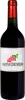
Winery LegatoMalbec Red Table
 Red wine



This wine generally goes well with poultry, beef or mature and hard cheese.
Food and wine pairings with Malbec Red Table
Pairings that work perfectly with Malbec Red Table



Original food and wine pairings with Malbec Red Table

The Malbec Red Table of Winery Legato matches generally quite well with dishes of beef, spicy food or mature and hard cheese such as recipes of burger roll, chicken with courgettes and curry or onion soup.
Details and technical informations about Winery Legato's Malbec Red Table.
Discover the grape variety: Malbec
Malbec, a high-yielding red grape variety, produces tannic and colourful wines. It is produced in different wine-growing regions and changes its name according to the grape variety. Called Auxerrois in Cahors, Malbec in Bordeaux, it is also known as Côt. 6,000 hectares of the Malbec grape are grown in France (in decline since the 1950s). Malbec is also very successful in Argentina. The country has become the world's leading producer of Malbec and offers wines with great potential.
Last vintages of this wine
The best vintages of Malbec Red Table from Winery Legato are 0
Informations about the Winery Legato
The Winery Legato is one of of the world's greatest estates. It offers 15 wines for sale in the of Texas to come and discover on site or to buy online.

The wine region of Texas
Texas is the largest state in the United States of America and one of the most productive viticultural states. Covering 696,000 km² (268,000 square miles) between latitudes 25-36°N, this hot, Dry state is home to a range of mesoclimates suitable for viticulture in the deserts, mountains, lakes and plains of Texas. The main Grape varieties grown in Texas are Cabernet Sauvignon, Chardonnay, Chenin Blanc and (despite the hot conditions) Sauvignon Blanc. Generally speaking, Texas viticulture is divided into three main regions: NorthCentral, Southeast and Trans-Pecos.
The word of the wine: Runoff
Failure of the vine flower to fertilize at the time of flowering, when the weather is too cold or rainy. Under these conditions, the vine will have few or no clusters.