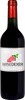
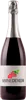
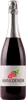
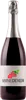
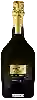
Winery Le RugheRivaj Conegliano Valdobbiadene Prosecco Superiore Extra Dry
 Sparkling wine



In the mouth this sparkling wine is a with a nice vivacity and a fine and pleasant bubble.
This wine generally goes well with vegetarian, appetizers and snacks or shellfish.

Taste structure of the Rivaj Conegliano Valdobbiadene Prosecco Superiore Extra Dry from the Winery Le Rughe
Light | Bold | |
Soft | Acidic | |
Gentle | Fizzy |
In the mouth the Rivaj Conegliano Valdobbiadene Prosecco Superiore Extra Dry of Winery Le Rughe in the region of Veneto is a with a nice vivacity and a fine and pleasant bubble.
Wine flavors and olphactive analysis



On the nose the Rivaj Conegliano Valdobbiadene Prosecco Superiore Extra Dry of Winery Le Rughe in the region of Veneto often reveals types of flavors of tree fruit, citrus fruit.
Food and wine pairings with Rivaj Conegliano Valdobbiadene Prosecco Superiore Extra Dry
Pairings that work perfectly with Rivaj Conegliano Valdobbiadene Prosecco Superiore Extra Dry



Original food and wine pairings with Rivaj Conegliano Valdobbiadene Prosecco Superiore Extra Dry


The Rivaj Conegliano Valdobbiadene Prosecco Superiore Extra Dry of Winery Le Rughe matches generally quite well with dishes of shellfish, vegetarian or appetizers and snacks such as recipes of waterzooï of the sea, quiche with leeks and fresh salmon from flo or aperitif puff pastries (cheese matches, puff pastries with....
Details and technical informations about Winery Le Rughe's Rivaj Conegliano Valdobbiadene Prosecco Superiore Extra Dry.
Discover the grape variety: Tinta Madeira
Light, fruity reds with a clear ruby robe, silky tannins and an airy palate, with signature aromas of red fruits (cherry, raspberry), soft spices and Atlantic island notes. A rare, airy profile. Preserved for its heritage value, it is part of Madeira's native grapes studied for their genetic interest and contributes to confidential artisanal island cuvées. Native Portuguese black grape from Madeira, identical to Tinta da Madeira, very rare.
Last vintages of this wine
The best vintages of Rivaj Conegliano Valdobbiadene Prosecco Superiore Extra Dry from Winery Le Rughe are 2015, 0
Informations about the Winery Le Rughe
The Winery Le Rughe is one of of the world's greatest estates. It offers 17 wines for sale in the of Conegliano-Valdobbiadene Prosecco Superiore to come and discover on site or to buy online.

The wine region of Conegliano-Valdobbiadene Prosecco Superiore
Historic, top-quality core of Prosecco DOCG on the Venetian hills (50-500 m, UNESCO landscape): signature Glera dominant as king white (≥85%, formerly "Prosecco") — fine, aromatic sparklers with green apple, pear, white acacia flowers, citrus and a slightly bitter finish. Chardonnay and Pinots as backup (≤15%, local Verdiso and Perera possible). Charmat method in autoclaves, from Brut to Dry, Rive mention for specific slopes, Cartizze grand cru.
The wine region of Veneto
World star of Prosecco: fresh, light Glera sparklers with notes of pear, green apple and white flowers, fruity, convivial bubbles. Veronese reds from Corvina and Rondinella: light, crisp Bardolino, fruity Valpolicella, opulent, concentrated Amarone DOCG (black cherry, chocolate, raisin) from dried grapes. Mineral, almondy Soave (Garganega) whites, fresh Pinot Grigio. 97,500 ha, Italy's largest production.
The word of the wine: Sulphiting
Introduction of a sulphurous solution into a must or wine to protect it from accidents or diseases, or to select the ferments.