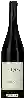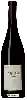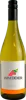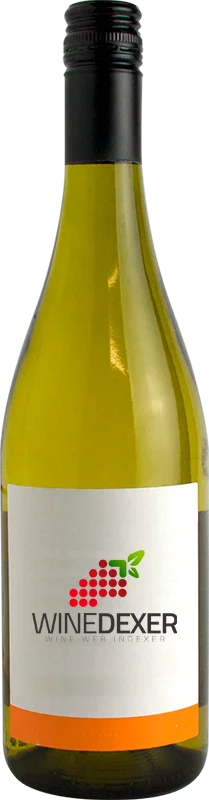
Winery Le Roc des AngesImalaya
 White wine



In the mouth this white wine is a with a nice freshness.
This wine generally goes well with vegetarian, poultry or lean fish.
Taste structure of the Imalaya from the Winery Le Roc des Anges
Light | Bold | |
Dry | Sweet | |
Soft | Acidic |
In the mouth the Imalaya of Winery Le Roc des Anges in the region of Pays d'Oc is a with a nice freshness.
Wine flavors and olphactive analysis


On the nose the Imalaya of Winery Le Roc des Anges in the region of Pays d'Oc often reveals types of flavors of green apple, minerality or earth and sometimes also flavors of tree fruit.
Food and wine pairings with Imalaya
Pairings that work perfectly with Imalaya



Original food and wine pairings with Imalaya


The Imalaya of Winery Le Roc des Anges matches generally quite well with dishes of pasta, vegetarian or poultry such as recipes of cannelloni with parma ham, magic cake cheese quiche or ham and cheese cake.
Details and technical informations about Winery Le Roc des Anges's Imalaya.
Discover the grape variety: Allegro
Interspecific cross between chancellor and rondo obtained in 1983 and in Germany by Ernst Rühl.
Last vintages of this wine
The best vintages of Imalaya from Winery Le Roc des Anges are 2017, 2018, 2014, 2016 and 2015.
Informations about the Winery Le Roc des Anges
The Winery Le Roc des Anges is one of of the world's great estates. It offers 34 wines for sale in the of Côtes Catalanes to come and discover on site or to buy online.

The wine region of Côtes Catalanes
The wine region of Côtes Catalanes is located in the region of Pays d'Oc of Vin de Pays of France. Wineries and vineyards like the Château de l'Ou or the Domaine Department 66 produce mainly wines red, white and pink. The most planted grape varieties in the region of Côtes Catalanes are Mourvèdre, Viognier and Cabernet-Sauvignon, they are then used in wines in blends or as a single variety. On the nose of Côtes Catalanes often reveals types of flavors of grapefruit, saline or pink grapefruit and sometimes also flavors of watermelon, nectarine or wax.
The wine region of Pays d'Oc
Pays d'Oc is the PGI for red, white and rosé wines that are produced over a wide area of the southern coast of France. The PGI catchment area corresponds roughly to the Languedoc-roussillon">Languedoc-Roussillon wine region, one of the largest wine regions in France. The area covers all wines that are not produced under the strict laws that govern AOC-level appellations in the regions: among them, Corbières, Minervois and the Languedoc appellation itself. The Pays d'Oc PGI is arguably the most important in France, producing the majority of the country's PGI wines.
The word of the wine: Cellar
A place for storing and ageing wines in bottles. This term designates both the cellar of a private individual and that of a restaurant. It is also a store dedicated to the retail sale of wine.