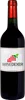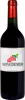
Winery Le Muid MontsaugeonnaisPinot Noir
 Red wine


This wine generally goes well with pork, poultry or veal.

Wine flavors and olphactive analysis



On the nose the Pinot Noir of Winery Le Muid Montsaugeonnais in the region of Haute-Marne often reveals types of flavors of cheese, microbio or oak.
Food and wine pairings with Pinot Noir
Pairings that work perfectly with Pinot Noir



Original food and wine pairings with Pinot Noir


The Pinot Noir of Winery Le Muid Montsaugeonnais matches generally quite well with dishes of veal, pork or game (deer, venison) such as recipes of venison bourguignon, pumpkin and bacon pie or duck breast with honey and raspberry vinegar.
Details and technical informations about Winery Le Muid Montsaugeonnais's Pinot Noir.
Discover the grape variety: Pinot noir
Elegant reds, light in colour with silky tannins, showing strawberry, cherry and raspberry aromas, evolving to forest floor, mushroom and spice with age. Fresh acidity, delicate finish. Star of the Côte d'Or (Romanée-Conti, Chambertin, Volnay), pillar of Champagne (Blanc de Noirs) and signature of Oregon, Central Otago and Sonoma Coast. An early-ripening Burgundian variety, one of the world's greatest.
Last vintages of this wine

The best vintages of Pinot Noir from Winery Le Muid Montsaugeonnais are 2017, 2015, 2009, 2014 and 2012.
Informations about the Winery Le Muid Montsaugeonnais
The Winery Le Muid Montsaugeonnais is one of of the world's greatest estates. It offers 12 wines for sale in the of Haute-Marne to come and discover on site or to buy online.

The wine region of Haute-Marne
Rare IGP from southern Champagne (Haute-Marne, around Coiffy-le-Haut and Montsaugeon, 14 ha, Coteaux de Coiffy since 1989), cool calcareous clay terroirs. Chardonnay, Pinot Noir and Auxerrois signatures in bright whites and delicate rosés with intense citrus, green apple, white flowers, red fruits and a refined mineral-taut note. Blanc de blancs méthode traditionnelle. Aligoté and Gamay as complements.
The word of the wine: Thinning
Also known as green harvesting, the practice of removing excess bunches of grapes from certain vines, usually in July, but sometimes later. This is often necessary, but not always a good thing, as the remaining bunches often gain weight.