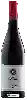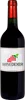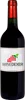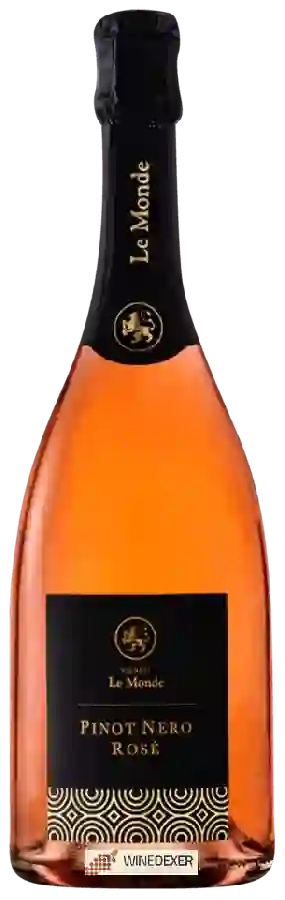
Winery Le MondePinot Nero Rosé
 Sparkling wine



This wine generally goes well with pork, poultry or beef.
The Pinot Nero Rosé of the Winery Le Monde is in the top 20 of wines of Friuli Grave.
Food and wine pairings with Pinot Nero Rosé
Pairings that work perfectly with Pinot Nero Rosé



Original food and wine pairings with Pinot Nero Rosé


The Pinot Nero Rosé of Winery Le Monde matches generally quite well with dishes of beef, lamb or pork such as recipes of tournedos rossini, sri lankan lamb rolls (mutton rolls) or chicken bonne femme.
Details and technical informations about Winery Le Monde's Pinot Nero Rosé.
Discover the grape variety: Meunier
Meunier noir is a grape variety that originated in France (Champagne). It produces a variety of grape specially used for wine making. It is rare to find this grape to eat on our tables. This variety of grape is characterized by small bunches and small grapes. Meunier noir can be found in many vineyards: South West, Cognac, Bordeaux, Loire Valley, Champagne, Burgundy, Jura, Languedoc & Roussillon, Beaujolais, Lorraine, Provence & Corsica, Rhone Valley, Savoie & Bugey.
Last vintages of this wine
The best vintages of Pinot Nero Rosé from Winery Le Monde are 2014, 0
Informations about the Winery Le Monde
The Winery Le Monde is one of of the world's great estates. It offers 22 wines for sale in the of Friuli Grave to come and discover on site or to buy online.

The wine region of Friuli Grave
The wine region of Friuli Grave is located in the region of Frioul-Vénétie Julienne of Italy. Wineries and vineyards like the Domaine Italo Cescon or the Domaine Italo Cescon produce mainly wines white, red and sparkling. The most planted grape varieties in the region of Friuli Grave are Merlot, Cabernet-Sauvignon and Chardonnay, they are then used in wines in blends or as a single variety. On the nose of Friuli Grave often reveals types of flavors of oaky, tropical or minerality and sometimes also flavors of white peach, cheese or stone fruit.
The wine region of Friuli-Venezia Giulia
Friuli-Venezia Giulia is an autonomous region in Italy, located in the extreme Northeast of the country, bordered by Austria and Slovenia to the north and east respectively. The eponymous wine region has four DOCGs, twelve DOCs and three PGIs and is best known for its white wine production. 77% of the region's wines are white, one of the highest proportions of any Italian region. The region's wines are distinctly different from other Italian wines in that they are made from non-traditional Grape varieties such as Sauvignon blanc, Riesling and Pinot blanc, as well as typically Italian varieties such as pinot gris and picolit.
The word of the wine: Muscat blanc à petits grains
A white grape variety cultivated since antiquity on the shores of the Mediterranean, it is considered the noblest of the muscats. It is mainly used to make sweet wines, often from mutage. In France, it is the sole variety used in many natural sweet wines: muscat-de-frontignan, muscat-de-mireval, muscat-de-lunel, muscat-de-saint-jean-de-minervois, muscat-de-beaumes-de-venise, muscat-du-cap-corse. Combined with Muscat d'Alexandrie, it gives Muscat-de-Rivesaltes. It is also used to make sparkling white wines (clairette-de-die; moscato d'asti and asti spumante in Italy) and dry wines (alsace-muscat). Powerfully aromatic and complex, its wines evoke fresh grapes, roses, exotic fruits, citrus fruits and spices.