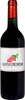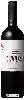
Winery Le CrêuzeOrmeasco di Pornassio
 Red wine


In the mouth this red wine is a powerful.
This wine generally goes well with beef, game (deer, venison) or lamb.

Taste structure of the Ormeasco di Pornassio from the Winery Le Crêuze
Light | Bold | |
Smooth | Tannic | |
Dry | Sweet | |
Soft | Acidic |
In the mouth the Ormeasco di Pornassio of Winery Le Crêuze in the region of Liguria is a powerful.
Food and wine pairings with Ormeasco di Pornassio
Pairings that work perfectly with Ormeasco di Pornassio



Original food and wine pairings with Ormeasco di Pornassio

The Ormeasco di Pornassio of Winery Le Crêuze matches generally quite well with dishes of beef, pasta or lamb such as recipes of sauté of lamb with curry, pasta romantica or traditional tagine (morocco).
Details and technical informations about Winery Le Crêuze's Ormeasco di Pornassio.
Discover the grape variety: Ravat 51
Aromatic and lively whites and sweet wines with a deep golden robe, an ample palate, with signature muscat aromas, white flowers, apricot, honey and candied citrus notes. Also as late-harvest and icewines. Grown mainly in the north-eastern United States and Canada for rigorous continental climates. French grey hybrid obtained by Jean-François Ravat in the early 20th century, also known as Vignoles in the United States.
Last vintages of this wine
The best vintages of Ormeasco di Pornassio from Winery Le Crêuze are 0
Informations about the Winery Le Crêuze
The Winery Le Crêuze is one of of the world's greatest estates. It offers 5 wines for sale in the of Liguria to come and discover on site or to buy online.

The wine region of Liguria
Coastal region of northwest Italy on the Riviera, terraced vineyards among the steepest in Europe (~1,650 ha). Vermentino signature in white: fresh and saline with signature notes of citrus, white flowers, wild herbs, fresh almond and an iodine mineral touch, taut long mouth. Local Pigato similar and ample, mineral Bosco (min. 40% in Cinque Terre), Albarola.
The word of the wine: Oenologist
Specialist in wine-making techniques. It is a profession and not a passion: one can be an oenophile without being an oenologist (and the opposite too!). Formerly attached to the Faculty of Pharmacy, oenology studies have become independent and have their own university course. Learning to make wine requires a good chemical background but also, increasingly, a good knowledge of the plant. Some oenologists work in laboratories (analysis). Others, the consulting oenologists, work directly in the properties.