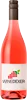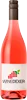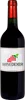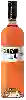
Le Cercle des Vignerons de Saint LouisLes Sansonnets Côtes de Provence Rosé
 Pink wine



In the mouth this pink wine is a with a nice freshness.
This wine generally goes well with pork, vegetarian or poultry.

Taste structure of the Les Sansonnets Côtes de Provence Rosé from the Le Cercle des Vignerons de Saint Louis
Light | Bold | |
Dry | Sweet | |
Soft | Acidic |
In the mouth the Les Sansonnets Côtes de Provence Rosé of Le Cercle des Vignerons de Saint Louis in the region of Provence is a with a nice freshness.
Food and wine pairings with Les Sansonnets Côtes de Provence Rosé
Pairings that work perfectly with Les Sansonnets Côtes de Provence Rosé



Original food and wine pairings with Les Sansonnets Côtes de Provence Rosé

The Les Sansonnets Côtes de Provence Rosé of Le Cercle des Vignerons de Saint Louis matches generally quite well with dishes of pork, shellfish or vegetarian such as recipes of pork stew with bacon and cream, paella josé style or magic cake cheese quiche.
Details and technical informations about Le Cercle des Vignerons de Saint Louis's Les Sansonnets Côtes de Provence Rosé.
Discover the grape variety: Moscato Giallo
Aromatic muscat whites as dry, sweet and passito wines, with a slightly deep golden robe, an ample and perfumed palate, showing intense muscat signature aromas (rose, fresh grape), white flowers (acacia, elderflower), yellow fruits (peach, apricot) and honey. Star of Alto Adige Moscato Giallo DOC, aromatic signature of South Tyrol and Trentino. Yellow-skinned mutation of Muscat Blanc à Petits Grains, aromatic Italian white grape.
Informations about the Le Cercle des Vignerons de Saint Louis
The Le Cercle des Vignerons de Saint Louis is one of of the world's great estates. It offers 78 wines for sale in the of Côtes de Provence to come and discover on site or to buy online.

The wine region of Côtes de Provence
World reference for pale, elegant rosé: salmon to onion-skin hue, notes of strawberry, pink grapefruit, white peach and flowers, fresh, dry, mineral palate, taut finish. 90% of output, the Provençal signature. Grenache, Cinsault, Syrah and native Tibouren in the blend. A few fleshy Mediterranean reds (Mourvèdre, Syrah) and saline Vermentino whites.
The wine region of Provence
World capital of dry, refined rosé (~90% of production). Pale rose-petal colour, delicate nose of fresh red fruits (strawberry, raspberry, redcurrant), citrus (pink grapefruit), white flowers and a mineral touch, taut and thirst-quenching palate — the Mediterranean aperitif par excellence. Blends of Grenache, Cinsault, Syrah, Tibouren and Mourvèdre. Fleshy Bandol reds from Mourvèdre (leather, garrigue, age-worthy), straight Cassis whites.
The word of the wine: Heavy
Said of a thick, rustic wine that lacks finesse.