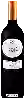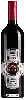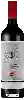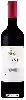
Winery Le Cellier des Trois ConquesCristal de Grotte Cabardès
 Red wine
This wine generally goes well with beef, veal or pasta.

Food and wine pairings with Cristal de Grotte Cabardès
Pairings that work perfectly with Cristal de Grotte Cabardès



Original food and wine pairings with Cristal de Grotte Cabardès
The Cristal de Grotte Cabardès of Winery Le Cellier des Trois Conques matches generally quite well with dishes of beef, pasta or veal such as recipes of mexican beef tacos, pasta shells or veal simmered with vegetables.
Details and technical informations about Winery Le Cellier des Trois Conques's Cristal de Grotte Cabardès.
Discover the grape variety: Sercial
Vivid and nervy fortified whites with an amber-golden robe, taut mouthfeel and sharp acidity, with signature aromas of candied citrus, lemon, almond, green walnut, orange peel, honey and evolved oxidative notes with a characteristic bitter finish. Exceptional ageing potential (centuries). Star of the dry Madeira style, the most nervy of the four Madeira DOP styles. An autochthonous Portuguese variety of Madeira, signature of dry Madeiras.
Informations about the Winery Le Cellier des Trois Conques
The Winery Le Cellier des Trois Conques is one of of the world's greatest estates. It offers 3 wines for sale in the of Cabardès to come and discover on site or to buy online.

The wine region of Cabardès
AOC in western Languedoc on the foothills of the Montagne Noire, unique transition climate between Atlantic (Cers) and Mediterranean (Marin). Original rule: blend of Atlantic varieties (Cabernet, Merlot) and southern (Grenache, Syrah, Cinsault), each ≥40%. 85% powerful, elegant reds with wild strawberry, prune, blackcurrant, blackberry, garrigue, pepper and spice, firm tannins and fresh palate — fascinating dual personality. Gourmet rosés complement.
The wine region of Languedoc-Roussillon
Largest single French vineyard, dominated by sunny, generous reds. Spicy Syrah, candied Grenache (ripe fruit, garrigue), structured Carignan, deep Mourvèdre, supple Cinsault. Stars: structured Corbières, Minervois, Faugères, Saint-Chinian; round Côtes-du-Roussillon. Legendary vins doux naturels: Banyuls and Maury (fortified Grenache) with notes of cocoa, fig, prune.
The word of the wine: Sulphites
Chemical compounds derived from sulphur (better known in the wine world as SO2) and used by winemakers for their antiseptic, antioxidant and antioxidant properties.