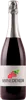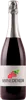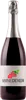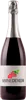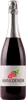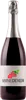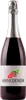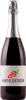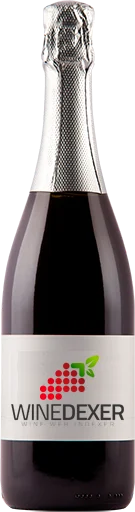
Winery Le CalleselleConegliano Valdobbiadene Prosecco Superiore Extra Dry
 Sparkling wine


In the mouth this sparkling wine is a with a nice vivacity and a fine and pleasant bubble.
This wine generally goes well with vegetarian, appetizers and snacks or shellfish.
Taste structure of the Conegliano Valdobbiadene Prosecco Superiore Extra Dry from the Winery Le Calleselle
Light | Bold | |
Soft | Acidic | |
Gentle | Fizzy |
In the mouth the Conegliano Valdobbiadene Prosecco Superiore Extra Dry of Winery Le Calleselle in the region of Veneto is a with a nice vivacity and a fine and pleasant bubble.
Food and wine pairings with Conegliano Valdobbiadene Prosecco Superiore Extra Dry
Pairings that work perfectly with Conegliano Valdobbiadene Prosecco Superiore Extra Dry



Original food and wine pairings with Conegliano Valdobbiadene Prosecco Superiore Extra Dry


The Conegliano Valdobbiadene Prosecco Superiore Extra Dry of Winery Le Calleselle matches generally quite well with dishes of shellfish, vegetarian or appetizers and snacks such as recipes of blanquette of monkfish and scallops, salmon and goat cheese quiche or radicchio and pancetta rolls.
Details and technical informations about Winery Le Calleselle's Conegliano Valdobbiadene Prosecco Superiore Extra Dry.
Discover the grape variety: Baroque
From a morphological point of view, Baroque seems to have common origins with Tannat. Still called Blanc Bordelais, this white grape variety is distinguished essentially by the characteristics of its leaves. Those that are still young are both yellowish and downy. Their bumps have a somewhat bronzed appearance. The adult leaves have angular teeth. The leaves are not very three-lobed and have a pubescent, downy blade. The Baroque is grown in the Adour basin, mainly in Tursan and in certain vineyards in the Gers. Its production area is therefore not very large. This grape variety manages to resist oidium, unlike other varieties, and its harvest must be well done and free of rot. The harvest must be well done and free of rot, which leads to a better result and a more successful wine production. Moreover, the development of Baroque must be slowed down in time, bearing in mind that this type of grape variety only matures about twenty days after Chasselas.
Last vintages of this wine

The best vintages of Conegliano Valdobbiadene Prosecco Superiore Extra Dry from Winery Le Calleselle are 2017, 0
Informations about the Winery Le Calleselle
The Winery Le Calleselle is one of of the world's greatest estates. It offers 4 wines for sale in the of Conegliano-Valdobbiadene Prosecco Superiore to come and discover on site or to buy online.

The wine region of Conegliano-Valdobbiadene Prosecco Superiore
The wine region of Conegliano-Valdobbiadene Prosecco Superiore is located in the region of Conegliano-Valdobbiadene Prosecco of Vénétie of Italy. Wineries and vineyards like the Domaine PDC di De Conti Pietro or the Domaine Altaneve produce mainly wines sparkling, sweet and red. The most planted grape varieties in the region of Conegliano-Valdobbiadene Prosecco Superiore are Glera, Chardonnay and Sangiovese, they are then used in wines in blends or as a single variety. On the nose of Conegliano-Valdobbiadene Prosecco Superiore often reveals types of flavors of citrus, honey or ginger and sometimes also flavors of lemon, white peach or stone.
The wine region of Veneto
Veneto is an important and growing wine region in northeastern Italy. Veneto is administratively Part of the Triveneto area, aLong with its smaller neighbors, Trentino-Alto Adige and Friuli-Venezia Giulia. In terms of geography, culture and wine styles, it represents a transition from the Alpine and Germanic-Slavic end of Italy to the warmer, drier, more Roman lands to the South. Veneto is slightly smaller than the other major Italian wine regions - Piedmont, Tuscany, Lombardy, Puglia and Sicily - but it produces more wine than any of them.
The word of the wine: Fees
This wine is characterized by a pleasant nervousness and an overall sensation of freshness on the palate, reinforced by minerality, a note of bitterness, a hint of CO2, and of course an appropriate serving temperature.