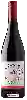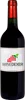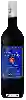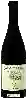
Winery Le Bout Du MondeUn Autre Monde
 Red wine
In the mouth this red wine is a powerful with a nice balance between acidity and tannins.
This wine generally goes well with beef, veal or pasta.
Taste structure of the Un Autre Monde from the Winery Le Bout Du Monde
Light | Bold | |
Smooth | Tannic | |
Dry | Sweet | |
Soft | Acidic |
In the mouth the Un Autre Monde of Winery Le Bout Du Monde in the region of Languedoc-Roussillon is a powerful with a nice balance between acidity and tannins.
Food and wine pairings with Un Autre Monde
Pairings that work perfectly with Un Autre Monde



Original food and wine pairings with Un Autre Monde
The Un Autre Monde of Winery Le Bout Du Monde matches generally quite well with dishes of beef, pasta or veal such as recipes of chicken, beef and lamb couscous (morocco), pistou soup complete or homemade marengo veal.
Details and technical informations about Winery Le Bout Du Monde's Un Autre Monde.
Discover the grape variety: Monbadon
Originally from the Charentes region, it is now endangered. It is still found in isolated stocks, most often in old ugni blanc plantations. This variety is said to be the result of a natural cross between folle blanche and ugni blanc. It is registered in the Official Catalogue of Vine Varieties, list A1. - Synonyms: frontignan des Charentes, aramon blanc by mistake in the Var, gros montils on the island of Oléron, ugni de Montpellier, burger (not to be confused with elbling and gouais blanc which have the same synonym), auba, meslier d'Orléans (not to be confused with meslier saint François) (for all the synonyms of the grape varieties, click here!)
Informations about the Winery Le Bout Du Monde
The Winery Le Bout Du Monde is one of of the world's greatest estates. It offers 10 wines for sale in the of Languedoc-Roussillon to come and discover on site or to buy online.

The wine region of Languedoc-Roussillon
Languedoc (formerly Coteaux du Languedoc) is a key appellation used in the Languedoc-Roussillon wine region of southern France. It covers Dry table wines of all three colors (red, white and rosé) from the entire region, but leaves Sweet and Sparkling wines to other more specialized appellations. About 75% of all Languedoc wines are red, with the remaining 25% split roughly down the middle between whites and rosés. The appellation covers most of the Languedoc region and almost a third of all the vineyards in France.
The word of the wine: Light (taste of)
Taste close to oxidation, characteristic of champagnes altered by prolonged exposure to light.