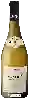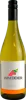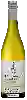
Winery Laurent MiquelChâteau Cazal Viel Sauvignon Blanc
 White wine



In the mouth this white wine is a with a nice freshness.
This wine generally goes well with vegetarian, poultry or lean fish.

Taste structure of the Château Cazal Viel Sauvignon Blanc from the Winery Laurent Miquel
Light | Bold | |
Dry | Sweet | |
Soft | Acidic |
In the mouth the Château Cazal Viel Sauvignon Blanc of Winery Laurent Miquel in the region of Pays d'Oc is a with a nice freshness.
Wine flavors and olphactive analysis

On the nose the Château Cazal Viel Sauvignon Blanc of Winery Laurent Miquel in the region of Pays d'Oc often reveals types of flavors of citrus, green apple or pear and sometimes also flavors of gooseberry, vegetal or tree fruit.
Food and wine pairings with Château Cazal Viel Sauvignon Blanc
Pairings that work perfectly with Château Cazal Viel Sauvignon Blanc



Original food and wine pairings with Château Cazal Viel Sauvignon Blanc


The Château Cazal Viel Sauvignon Blanc of Winery Laurent Miquel matches generally quite well with dishes of pasta, vegetarian or poultry such as recipes of elodie's pasta risotto, vegan leek and tofu quiche or potjevleesch.
Details and technical informations about Winery Laurent Miquel's Château Cazal Viel Sauvignon Blanc.
Discover the grape variety: Feteasca Alba
Expressive aromatic whites in dry, semi-dry, sweet and liqueur styles; pale golden to amber hue depending on vinification; ample body and fresh acidity; discreet muscat signature with white flowers (acacia), white-fleshed fruits (peach) and honeyed notes. Star of Cotnari DOC, a historic sweet liqueur wine from Moldavia. Native Romanian white grape, one of the oldest and most widely planted varieties in the country.
Last vintages of this wine
The best vintages of Château Cazal Viel Sauvignon Blanc from Winery Laurent Miquel are 2016, 2019, 2018, 2017 and 2015.
Informations about the Winery Laurent Miquel
The Winery Laurent Miquel is one of of the world's greatest estates. It offers 144 wines for sale in the of Vin de Pays to come and discover on site or to buy online.

The wine region of Vin de Pays
Intermediate category between AOC and Vin de France (renamed IGP in 2009), 27% of national volume. Accessible, expressive wines defined by their grape: opulent Chardonnay, lively Sauvignon, round Merlot, peppery Syrah, floral Viognier with apricot. 76 IGP in France at 3 scales: regional (Pays d'Oc, Méditerranée, Val de Loire), departmental or local. Flexible rules, wide range of permitted grapes, free grape and vintage labelling.
The wine region of Pays d'Oc
The single-grape IGP par excellence: modern, accessible, frank and fruity wines, the popular signature of the Midi. Spicy Syrah reds (pepper, blackberry), round Merlot, structured Cabernet, generous Grenache, supple Cinsault. Crisp, tangy rosés. Opulent Chardonnay whites, lively Sauvignon, floral, apricoty Viognier.
The word of the wine: OIV
International Organisation of Vine and Wine. Intergovernmental organization studying the technical, scientific or economic questions raised by the culture of the vine and the production of wine.