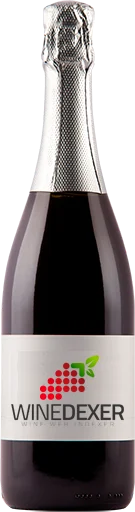
Winery LambertiTurá Trevenezie Frizzante
 Sparkling wine


This wine generally goes well with
Wine flavors and olphactive analysis

On the nose the Turá Trevenezie Frizzante of Winery Lamberti in the region of Friuli-Venezia Giulia often reveals types of flavors of citrus fruit, red fruit.
Details and technical informations about Winery Lamberti's Turá Trevenezie Frizzante.
Discover the grape variety: Plavac mali
Croatian Dalmatia more precisely. It can also be found in Greece (Macedonia), Montenegro, Italy, Bulgaria and Romania. According to genetic analyses conducted by the California University of Davis (United States), it is the result of an intraspecific cross between zinfandel (called crljenak kastelanski or pribidag in Croatia) and dobricic, another Croatian grape variety that is now somewhat endangered. - Synonyms: pagadebit veliki, sarak, zelenak (for all the synonyms of the grape varieties, click here!).
Last vintages of this wine

The best vintages of Turá Trevenezie Frizzante from Winery Lamberti are 2016, 2014, 2013, 2008 and 0.
Informations about the Winery Lamberti
The Winery Lamberti is one of of the world's great estates. It offers 98 wines for sale in the of Friuli-Venezia Giulia to come and discover on site or to buy online.

The wine region of Friuli-Venezia Giulia
Friuli-Venezia Giulia is an autonomous region in Italy, located in the extreme Northeast of the country, bordered by Austria and Slovenia to the north and east respectively. The eponymous wine region has four DOCGs, twelve DOCs and three PGIs and is best known for its white wine production. 77% of the region's wines are white, one of the highest proportions of any Italian region. The region's wines are distinctly different from other Italian wines in that they are made from non-traditional Grape varieties such as Sauvignon blanc, Riesling and Pinot blanc, as well as typically Italian varieties such as pinot gris and picolit.
The word of the wine: Passerillage
Concentration of the grape by drying out, under the influence of wind or sun, as opposed to botrytisation, which is the concentration obtained by the development of the "noble rot" for which Botrytis cinerea is responsible. The word is mainly used for sweet wines.