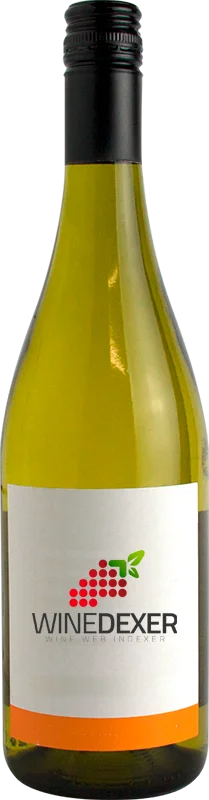
Winery LaBelleGewürztraminer
 White wine


This wine generally goes well with poultry, rich fish (salmon, tuna etc) or mild and soft cheese.
The Gewürztraminer of the Winery LaBelle is in the top 50 of wines of New Hampshire.

Wine flavors and olphactive analysis

Food and wine pairings with Gewürztraminer
Pairings that work perfectly with Gewürztraminer



Original food and wine pairings with Gewürztraminer


The Gewürztraminer of Winery LaBelle matches generally quite well with dishes of rich fish (salmon, tuna etc), spicy food or sweet desserts such as recipes of salmon and zucchini gratin, turkey escalope with curry or rice with milk.
Details and technical informations about Winery LaBelle's Gewürztraminer.
Discover the grape variety: Gewurztraminer
Full-bodied, exotic whites, rich and heady, with moderate acidity, showing opulent aromas of lychee, rose, mango, ginger, pink grapefruit and gentle spice. Made as aromatic dry, moelleux late-harvest and liquorous sélection de grains nobles. Star of Alsace AOC (one of the four noble varieties) and signature of Alto Adige (Tramin), Palatinate and Germany. A pink mutation of Traminer.
Last vintages of this wine
The best vintages of Gewürztraminer from Winery LaBelle are 0
Informations about the Winery LaBelle
The Winery LaBelle is one of of the world's greatest estates. It offers 22 wines for sale in the of New Hampshire to come and discover on site or to buy online.

The wine region of New Hampshire
New England state, young vineyard (~13 wineries). Atlantic coast tempered by Gulf Stream, harsh continental interior in the White Mountains. Cold-hardy hybrids signature. Marquette red flagship: structured with black cherry, plum, blackberry, pepper and spice, fine tannins.
The word of the wine: Alcooleux
Said of a wine dominated by the presence of alcohol.