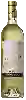
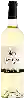
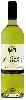
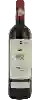
The Château La Tour Blanche of Sauternes of Bordeaux
Château La Tour Blanche
The winery offers 12 different wines
4.2


Note - 1Note - 1Note - 1Note - 1Note - 0
Its wines get an average rating of 4.2.
It is ranked in the top 10 of the estates of Bordeaux.
It is located in Sauternes in the region of Bordeaux
Find the Château La Tour Blanche on Facebook

The Château La Tour Blanche is one of the largest wineries in the world. It offers 12 wines for sale in of Sauternes to come and discover on site or to buy online.
Top Château La Tour Blanche wines

Looking for the best Château La Tour Blanche wines in Sauternes among all the wines in the region? Check out our tops of the best red, white or effervescent Château La Tour Blanche wines. Also find some food and wine pairings that may be suitable with the wines from this area. Learn more about the region and the Château La Tour Blanche wines with technical and enological descriptions.

The top red wines of Château La Tour Blanche

Food and wine pairings with a red wine of Château La Tour Blanche

How Château La Tour Blanche wines pair with each other generally quite well with dishes of beef, veal or game (deer, venison) such as recipes of chickpeas spanish style, roast veal orloff with mushrooms or rabbit with prunes.

The best vintages in the red wines of Château La Tour Blanche

  • 2014With an average score of 3.30/5

The grape varieties most used in the red wines of Château La Tour Blanche.

  • Merlot
  • Malbec

Discovering the wine region of Sauternes

Iconic Bordeaux AOC for noble sweet wines, left bank of the Garonne. Golden whites with signature notes of honey, candied apricot, exotic fruit, orange peel, saffron and a finish tightened by chiselled acidity, opulent yet nervy palate — a great age-worthy wine of emotion. Botrytised Semillon dominates (Ciron 'noble rot') concentrating sugars, Sauvignon Blanc adds vivacity, Muscadelle perfume. ~1,416 ha across 5 villages.

Chateau d'Yquem premier cru superieur.

The top sweet wines of Château La Tour Blanche

Food and wine pairings with a sweet wine of Château La Tour Blanche

How Château La Tour Blanche wines pair with each other generally quite well with dishes of fruity desserts or blue cheese such as recipes of the coughing cat's apple crumble or beetroot and courgette mille-feuilles with roquefort cheese.

Organoleptic analysis of sweet wines of Château La Tour Blanche

On the nose the sweet wine of Château La Tour Blanche. often reveals types of flavors of apricot, lemon or honeysuckle and sometimes also flavors of honey, melon or earth. In the mouth the sweet wine of Château La Tour Blanche. is a powerful with a good balance between acidity and sweetness.

The best vintages in the sweet wines of Château La Tour Blanche

  • 1982With an average score of 4.60/5
  • 1979With an average score of 4.60/5
  • 1970With an average score of 4.60/5
  • 2004With an average score of 4.50/5
  • 1997With an average score of 4.50/5
  • 1994With an average score of 4.50/5

The grape varieties most used in the sweet wines of Château La Tour Blanche.

  • Sauvignon Blanc
  • Sémillon
  • Muscadelle

Discover the grape variety: Sémillon

Rich, structured whites with a golden robe, full palate and moderate acidity. Aromas of yellow fruits (peach, apricot), honey, white flowers, beeswax, brioche and white truffle with age. Exceptional aptitude for noble rot. Star of Sauternes AOC and Barsac AOC, pillar of dry whites in Graves and Pessac-Léognan AOC, and of long-lived dry whites in Hunter Valley (Australia). Native Bordeaux variety.

The top white wines of Château La Tour Blanche

Food and wine pairings with a white wine of Château La Tour Blanche

How Château La Tour Blanche wines pair with each other generally quite well with dishes of pork, vegetarian or poultry such as recipes of pork stew with bacon and cream, cream and tuna quiche or royal couscous (lamb, chicken, merguez).

Organoleptic analysis of white wines of Château La Tour Blanche

On the nose the white wine of Château La Tour Blanche. often reveals types of flavors of vegetal. In the mouth the white wine of Château La Tour Blanche. is a powerful.

The best vintages in the white wines of Château La Tour Blanche

  • 2013With an average score of 3.70/5
  • 2015With an average score of 3.60/5
  • 2014With an average score of 3.00/5

The grape varieties most used in the white wines of Château La Tour Blanche.

  • Sauvignon Blanc
  • Sémillon

The word of the wine: De-vatting

Separation of the fermented juice from all solid particles (skin, pips, deposit of lees) by transferring it to a second tank.

The top pink wines of Château La Tour Blanche

Food and wine pairings with a pink wine of Château La Tour Blanche

How Château La Tour Blanche wines pair with each other generally quite well with dishes of beef, game (deer, venison) or spicy food such as recipes of beef bobotie, rabbit sautéed hunter or chicken tagine with apricots.

The grape varieties most used in the pink wines of Château La Tour Blanche.

  • Malbec
  • Merlot

Discover the grape variety: Merlot

Round and fleshy reds with a velvety texture, showing aromas of ripe plum, black cherry, cocoa and truffle notes with age. Supple tannins, generous alcohol, indulgent finish. Pillar of Libournais (Pomerol with Pétrus, Saint-Émilion with Cheval Blanc and Ausone) and signature of Super Tuscans, Italian Wales and Washington State. A cross of Cabernet Franc × Magdeleine Noire, France's most planted red variety.

Discover other wineries and winemakers neighboring the Château La Tour Blanche

Planning a wine route in the of Sauternes? Here are the wineries to visit and the winemakers to meet during your trip in search of wines similar to Château La Tour Blanche.

Discover the grape variety: Malbec

Deep, velvety reds with an intense purple colour, showing aromas of blackberry, black plum, violet, cocoa and gentle spice. Round tannins, fleshy palate, peppery length. Star of Cahors AOC (Côt, Auxerrois) in France and the absolute signature of Mendoza, Argentina (Uco Valley, Luján de Cuyo). A French South-West variety that became the Argentine emblem after its post-phylloxera decline.