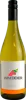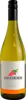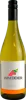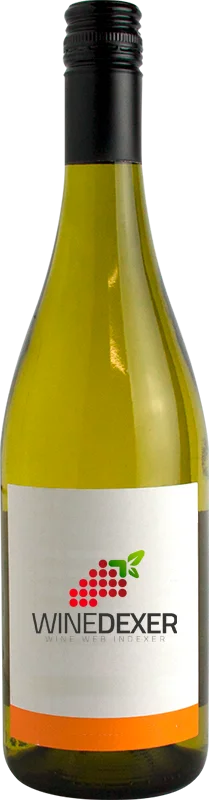
Winery La PlantzeTramontana
 White wine



In the mouth this white wine is a powerful with a nice freshness.
This wine generally goes well with lean fish, shellfish or mature and hard cheese.

Taste structure of the Tramontana from the Winery La Plantze
Light | Bold | |
Dry | Sweet | |
Soft | Acidic |
In the mouth the Tramontana of Winery La Plantze in the region of Vino da Tavola is a powerful with a nice freshness.
Food and wine pairings with Tramontana
Pairings that work perfectly with Tramontana



Original food and wine pairings with Tramontana


The Tramontana of Winery La Plantze matches generally quite well with dishes of pasta, shellfish or mature and hard cheese such as recipes of pasta with tuna and tomato, yellow risotto with mussels or vegetable flan.
Details and technical informations about Winery La Plantze's Tramontana.
Discover the grape variety: Pinot gris
Rich, ample whites with a golden robe, showing aromas of pear, quince, honey, smoke, ginger and spice. Made as structured dry wines (Alsace AOC), off-dry and sumptuous late-harvest sweet (vendange tardive, sélection de grains nobles). Lighter and crisper in Italy as Pinot Grigio (Veneto, Friuli). Also in Germany (Grauburgunder), Hungary (Szürkebarát) and Oregon. A grey mutation of Pinot Noir.
Last vintages of this wine
The best vintages of Tramontana from Winery La Plantze are 2016, 0, 2018
Informations about the Winery La Plantze
The Winery La Plantze is one of of the world's greatest estates. It offers 10 wines for sale in the of Vino da Tavola to come and discover on site or to buy online.

The wine region of Vino da Tavola
The freest category of Italian wine, with no grape or zone constraint. All styles: bold reds based on Bordeaux grapes (Cabernet, Merlot), atypical blends, maker's cuvées outside DOC rules. Historic cradle of the "Super Tuscans" in the 1960s-80s (Sassicaia, Tignanello, Ornellaia) before the creation of IGT in 1992. Today dedicated to everyday wines or winemaker experiments.
The word of the wine: Basic wine
Dry, still wine intended for the production of sparkling wines (champagne, crémants, etc.). The basic wines undergo a second fermentation in the bottle for the production of carbon dioxide, and therefore of bubbles.