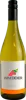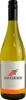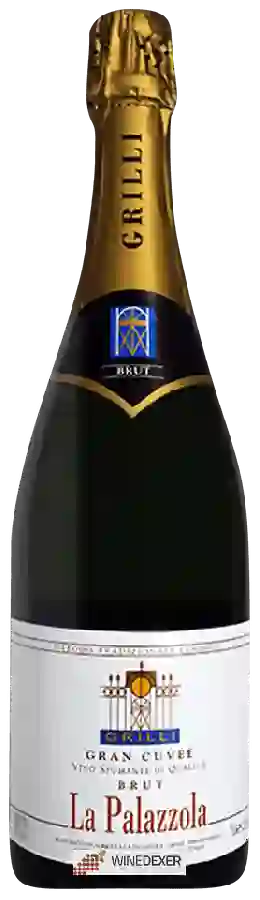
Winery La PalazzolaGran Cuvée Brut
 Sparkling wine


This wine generally goes well with pork, vegetarian or poultry.

Wine flavors and olphactive analysis


On the nose the Gran Cuvée Brut of Winery La Palazzola in the region of Umbria often reveals types of flavors of vegetal, citrus fruit.
Food and wine pairings with Gran Cuvée Brut
Pairings that work perfectly with Gran Cuvée Brut



Original food and wine pairings with Gran Cuvée Brut



The Gran Cuvée Brut of Winery La Palazzola matches generally quite well with dishes of beef, lamb or pork such as recipes of simple baked roast beef, crusted lamb fillets with sweet spices or coconut from paimpol.
Details and technical informations about Winery La Palazzola's Gran Cuvée Brut.
Discover the grape variety: Chardonnay
Whites with many faces: mineral and taut at Chablis (lemon, green apple, flint), opulent and buttery at Meursault and Puligny-Montrachet (hazelnut, brioche, yellow fruits), tense and chalky in Champagne (Blanc de Blancs). Also vinified sparkling and widely exported (Sonoma, Margaret River, Casablanca). A Burgundian variety, a cross of Pinot Noir × Gouais Blanc, half-sibling of Aligoté.
Last vintages of this wine

The best vintages of Gran Cuvée Brut from Winery La Palazzola are 2013, 2015, 2010, 0 and 2011.
Informations about the Winery La Palazzola
The Winery La Palazzola is one of of the world's greatest estates. It offers 27 wines for sale in the of Umbria to come and discover on site or to buy online.

The wine region of Umbria
"Green heart" of Italy, cradle of Sagrantino: exceptional tannic red in Sagrantino di Montefalco DOCG, dense and concentrated with notes of blackberry, candied plum, liquorice, spice and leather, powerful tannins and long ageing. Suppler Sangiovese in blends, Cabernet and Merlot in Torgiano DOCG. Orvieto whites based on Grechetto and Trebbiano, full and almondy, from dry to sweet Muffato. ~13,000 ha between Tuscany and Lazio.
The word of the wine: Reduction
A physiological and chemical phenomenon that occurs in wine in the absence of oxygen. The smell of reduction is characterized by animal and sometimes fetid notes that disappear in principle with aeration. It is recommended to decant reduced wines.