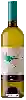
Winery La MaliosaSaturnia Bianco
 White wine


In the mouth this white wine is a powerful with a nice freshness.
This wine generally goes well with vegetarian, appetizers and snacks or lean fish.

Taste structure of the Saturnia Bianco from the Winery La Maliosa
Light | Bold | |
Dry | Sweet | |
Soft | Acidic |
In the mouth the Saturnia Bianco of Winery La Maliosa in the region of Tuscany is a powerful with a nice freshness.
Food and wine pairings with Saturnia Bianco
Pairings that work perfectly with Saturnia Bianco



Original food and wine pairings with Saturnia Bianco


The Saturnia Bianco of Winery La Maliosa matches generally quite well with dishes of pasta, vegetarian or appetizers and snacks such as recipes of spaghetti with garlic, goat cheese and bacon quiche or smoked salmon and lemon cake.
Details and technical informations about Winery La Maliosa's Saturnia Bianco.
Discover the grape variety: Carricante
Lively, mineral whites with a pale robe, tense palate and cutting acidity. Aromas of citrus (lemon, grapefruit), green apple, white flowers, aromatic herbs and characteristic smoky volcanic saline notes. Fine ageing potential, developing petrol notes with age. Star of Etna Bianco DOC and Etna Bianco Superiore DOC on the eastern slopes of the Sicilian volcano (up to 1,000 m altitude). Ancient native Sicilian variety.
Last vintages of this wine

The best vintages of Saturnia Bianco from Winery La Maliosa are 2018, 0, 2019
Informations about the Winery La Maliosa
The Winery La Maliosa is one of of the world's greatest estates. It offers 8 wines for sale in the of Tuscany to come and discover on site or to buy online.

The wine region of Tuscany
Kingdom of Sangiovese: upright reds with cherry, plum, dried herbs and leather, lively acidity and firm tannins. Fleshy, food-friendly Chianti Classico DOCG, deep long-ageing Brunello di Montalcino (spice, tobacco, ripe black fruit), elegant Vino Nobile di Montepulciano. On the coast, Bolgheri crafts the opulent Cabernet- and Merlot-based 'Super Tuscans'. Some fresh white Vernaccia.
The word of the wine: Basic wine
Dry, still wine intended for the production of sparkling wines (champagne, crémants, etc.). The basic wines undergo a second fermentation in the bottle for the production of carbon dioxide, and therefore of bubbles.