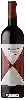
Winery La MaliosaCudè
 Red wine
In the mouth this red wine is a with a nice freshness.
This wine generally goes well with poultry, beef or veal.

Taste structure of the Cudè from the Winery La Maliosa
Light | Bold | |
Smooth | Tannic | |
Dry | Sweet | |
Soft | Acidic |
In the mouth the Cudè of Winery La Maliosa in the region of Tuscany is a with a nice freshness.
Food and wine pairings with Cudè
Pairings that work perfectly with Cudè



Original food and wine pairings with Cudè


The Cudè of Winery La Maliosa matches generally quite well with dishes of beef, lamb or veal such as recipes of provencal stew, lamb mouse confit in wine or roast veal with caramelized carrots.
Details and technical informations about Winery La Maliosa's Cudè.
Discover the grape variety: Nebbiolo
Austere, noble reds, pale in colour and quick to turn garnet, with powerful tannins and high acidity, showing aromas of sour cherry, faded rose, tar, white truffle, leather and balsamic notes with age. Outstanding ageing potential. Absolute star of Piedmont with Barolo DOCG and Barbaresco DOCG, also in Roero, Gattinara, Ghemme and Valtellina (Chiavennasca). A late-ripening Italian variety among the world's greatest.
Informations about the Winery La Maliosa
The Winery La Maliosa is one of of the world's greatest estates. It offers 8 wines for sale in the of Tuscany to come and discover on site or to buy online.

The wine region of Tuscany
Kingdom of Sangiovese: upright reds with cherry, plum, dried herbs and leather, lively acidity and firm tannins. Fleshy, food-friendly Chianti Classico DOCG, deep long-ageing Brunello di Montalcino (spice, tobacco, ripe black fruit), elegant Vino Nobile di Montepulciano. On the coast, Bolgheri crafts the opulent Cabernet- and Merlot-based 'Super Tuscans'. Some fresh white Vernaccia.
The word of the wine: Millerandage
Poor fertilization of some grapes at the time of flowering in cold or rainy weather. Milled grapes do not grow and usually do not contain seeds.