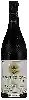
Winery La LoyaneLa Lôyane Sans Sulfite Ajouté
 Red wine
This wine generally goes well with beef, mature and hard cheese or spicy food.
Food and wine pairings with La Lôyane Sans Sulfite Ajouté
Pairings that work perfectly with La Lôyane Sans Sulfite Ajouté



Original food and wine pairings with La Lôyane Sans Sulfite Ajouté
The La Lôyane Sans Sulfite Ajouté of Winery La Loyane matches generally quite well with dishes of beef, spicy food or mature and hard cheese such as recipes of alsatian bäckeoffe, oriental stuffed vegetables or polenta with cheese.
Details and technical informations about Winery La Loyane's La Lôyane Sans Sulfite Ajouté.
Discover the grape variety: Carcajolo
Carcajolo blanc is a grape variety that originated in France (Corsica). It produces a variety of grape specially used for the elaboration of wine. It is rare to find this grape to eat on our tables. This variety of grape is characterized by large bunches, and grapes of medium to large size. The white Carcajolo can be found cultivated in these vineyards: South West, Cognac, Bordeaux, Provence & Corsica, Rhone Valley.
Last vintages of this wine


The best vintages of La Lôyane Sans Sulfite Ajouté from Winery La Loyane are 0
Informations about the Winery La Loyane
The Winery La Loyane is one of of the world's greatest estates. It offers 18 wines for sale in the of Rhone Valley to come and discover on site or to buy online.

The wine region of Rhone Valley
The Rhone Valley is a key wine-producing region in Southeastern France. It follows the North-south course of the Rhône for nearly 240 km, from Lyon to the Rhône delta (Bouches-du-Rhône), near the Mediterranean coast. The Length of the valley means that Rhône wines are the product of a wide variety of soil types and mesoclimates. The viticultural areas of the region cover such a distance that there is a widely accepted division between its northern and southern parts.
The word of the wine: Hygrometry
Humidity level of the cellar necessary for a good ageing of the wines. The recommended hygrometry is around 70% in order to guarantee a good elasticity of the corks while preserving the labels.