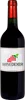
Winery La LouvièreRendez-Vous Malepère
 Red wine
This wine generally goes well with beef, veal or pasta.
Food and wine pairings with Rendez-Vous Malepère
Pairings that work perfectly with Rendez-Vous Malepère



Original food and wine pairings with Rendez-Vous Malepère
The Rendez-Vous Malepère of Winery La Louvière matches generally quite well with dishes of beef, pasta or veal such as recipes of fresh sausage, chinese noodles with shrimp or roast veal orloff.
Details and technical informations about Winery La Louvière's Rendez-Vous Malepère.
Discover the grape variety: Muscat reine des vignes
Obtained in Hungary in 1916 by Jean (Janos) Mathiasz by crossing the Beirut date tree with the Csaba pearl. This variety is nowadays very little multiplied, but it is registered in the Official Catalogue of table grape varieties list A1.
Informations about the Winery La Louvière
The Winery La Louvière is one of wineries to follow in Malepère.. It offers 35 wines for sale in the of Malepère to come and discover on site or to buy online.

The wine region of Malepère
Malepere is an appellation of red and rosé wines from an area immediately Southwest of Carcassonne in the Languedoc-Rousillon wine region of southern France. The appellation was created as VDQS Côtes de la Malepere in January 1983 and was promoted to FullAOC status in 2007, under the simpler name Malepere. As with the stylistically similar Cabardes appellation (directly to the North), Malepere wines are made from an eclectic combination of Bordeaux and Languedoc grapes. Merlot is the most widely used, combined with Cabernet Sauvignon, Malbec, Grenache, Syrah and Cinsaut.
The wine region of Languedoc-Roussillon
Languedoc (formerly Coteaux du Languedoc) is a key appellation used in the Languedoc-Roussillon wine region of southern France. It covers Dry table wines of all three colors (red, white and rosé) from the entire region, but leaves Sweet and Sparkling wines to other more specialized appellations. About 75% of all Languedoc wines are red, with the remaining 25% split roughly down the middle between whites and rosés. The appellation covers most of the Languedoc region and almost a third of all the vineyards in France.
The word of the wine: Flavor
Sensation (sweet, salty, sour or bitter) produced on the tongue by a food.