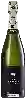
Winery La LouvièreDomaine Benoit Homs Canto Perdrix Rosé
 Pink wine
This wine generally goes well with vegetarian, appetizers and snacks or lean fish.

Food and wine pairings with Domaine Benoit Homs Canto Perdrix Rosé
Pairings that work perfectly with Domaine Benoit Homs Canto Perdrix Rosé



Original food and wine pairings with Domaine Benoit Homs Canto Perdrix Rosé


The Domaine Benoit Homs Canto Perdrix Rosé of Winery La Louvière matches generally quite well with dishes of pasta, vegetarian or appetizers and snacks such as recipes of special' tagliatelle carbonara, spinach and goat cheese quiche or chorizo rillettes.
Details and technical informations about Winery La Louvière's Domaine Benoit Homs Canto Perdrix Rosé.
Discover the grape variety: Terret
Polymorphic family (blanc, gris and noir, mutations of the same variety) yielding crisp, saline whites with citrus, white flowers, fennel and iodine notes, or light fruity reds. Refreshing palate with preserved acidity under warm conditions. Traditional component of Picpoul de Pinet AOC, present in Languedoc, Côtes-du-Rhône AOC and Châteauneuf-du-Pape AOC (terret noir authorised). Very old Languedoc autochthonous variety, signature of Mediterranean coastal terroirs.
Informations about the Winery La Louvière
The Winery La Louvière is one of of the world's great estates. It offers 36 wines for sale in the of Languedoc-Roussillon to come and discover on site or to buy online.

The wine region of Languedoc-Roussillon
Largest single French vineyard, dominated by sunny, generous reds. Spicy Syrah, candied Grenache (ripe fruit, garrigue), structured Carignan, deep Mourvèdre, supple Cinsault. Stars: structured Corbières, Minervois, Faugères, Saint-Chinian; round Côtes-du-Roussillon. Legendary vins doux naturels: Banyuls and Maury (fortified Grenache) with notes of cocoa, fig, prune.
The word of the wine: Sorting
Action which consists in removing the bad grains, not ripe or affected by the rot. We often use vibrating sorting tables which, by shaking, make the impurities fall to the ground. In the case of sweet wines, we speak of harvesting by successive selections, in several passages, to select the very ripe grapes each time.