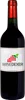
Winery La GravetteOfficier Cambaceres
 Red wine
This wine is a blend of 2 varietals which are the Cabernet-Sauvignon and the Merlot.
This wine generally goes well with poultry, beef or game (deer, venison).
Food and wine pairings with Officier Cambaceres
Pairings that work perfectly with Officier Cambaceres



Original food and wine pairings with Officier Cambaceres


The Officier Cambaceres of Winery La Gravette matches generally quite well with dishes of beef, lamb or game (deer, venison) such as recipes of baked lasagna, purple leg of lamb with red wine and cranberries or duck breast with black figs.
Details and technical informations about Winery La Gravette's Officier Cambaceres.
Discover the grape variety: Cabernet-Sauvignon
Cabernet-Sauvignon noir is a grape variety that originated in France (Bordeaux). It produces a variety of grape specially used for wine making. It is rare to find this grape to eat on our tables. This variety of grape is characterized by small bunches, and small grapes. Cabernet-Sauvignon noir can be found in many vineyards: South-West, Loire Valley, Languedoc & Roussillon, Cognac, Bordeaux, Armagnac, Rhone Valley, Provence & Corsica, Savoie & Bugey, Beaujolais.
Informations about the Winery La Gravette
The Winery La Gravette is one of of the world's great estates. It offers 44 wines for sale in the of Méditerranée to come and discover on site or to buy online.

The wine region of Méditerranée
Méditérranée is a PGI title that covers wines produced in a large area of the South-eastern coast of France, roughly corresponding to the wine region of Provence but also including Part of the Rhône Valley. The PGI shares its territory with multiple AOC appellations as varied as Châteauneuf-du-Pape, Bandol and Côtes de Provence. The PGI Méditérranée catchment area extends over 10 departments (including the two on the island of Corsica), as well as smaller parts of the Isère, Loire and Rhône departments. Viticulture is essential to the culture and economy of this part of France.
The word of the wine: Paste
Characteristic of a thick and heavy wine with sticky tannins.