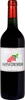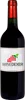
Winery La FiestaConga
 Red wine


In the mouth this red wine is a powerful.
This wine generally goes well with poultry, beef or veal.
Taste structure of the Conga from the Winery La Fiesta
Light | Bold | |
Smooth | Tannic | |
Dry | Sweet | |
Soft | Acidic |
In the mouth the Conga of Winery La Fiesta in the region of Murcie is a powerful.
Food and wine pairings with Conga
Pairings that work perfectly with Conga



Original food and wine pairings with Conga

The Conga of Winery La Fiesta matches generally quite well with dishes of beef, pasta or veal such as recipes of beer goulash, pasta with ham or tête de veau sauce moi.
Details and technical informations about Winery La Fiesta's Conga.
Discover the grape variety: Oseleta
A very old grape variety grown in Italy that almost disappeared because it is a small producer. In France, it is almost unknown. Oseleta is said to be related to corvina, rondinella, garganega, etc. It should not be confused, on the one hand, with the table grape osella - an interspecific cross of German origin - and, on the other hand, with osel(l)a another Italian wine grape variety.
Last vintages of this wine
The best vintages of Conga from Winery La Fiesta are 2017, 0
Informations about the Winery La Fiesta
The Winery La Fiesta is one of of the world's greatest estates. It offers 2 wines for sale in the of Jumilla to come and discover on site or to buy online.

The wine region of Jumilla
The wine region of Jumilla is located in the region of Murcie of Spain. Wineries and vineyards like the Domaine Bodegas El Nido or the Domaine Bodegas El Nido produce mainly wines red, white and pink. The most planted grape varieties in the region of Jumilla are Cabernet-Sauvignon, Tempranillo and Petit Verdot, they are then used in wines in blends or as a single variety. On the nose of Jumilla often reveals types of flavors of oak, orange blossom or honeysuckle and sometimes also flavors of stone fruit, grass or jasmine.
The wine region of Murcie
Murcia is one of the smallest and least known regions in Spain. Nestled in the extreme Southeast of the country, it is bordered by Andalusia to the west, Castilla-La Mancha to the North, Valencia to the east and the Mediterranean Sea to the south. This small administrative region consists of a single province and an administrative centre that share the same name. As far as wine is concerned, Murcia has three designations of origin.
The word of the wine: Filling
Gentle transfer from one barrel to another to oxygenate the wine, eliminate some of the lees and reduce the carbon dioxide (fizz) that was released during the fermentations.