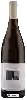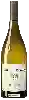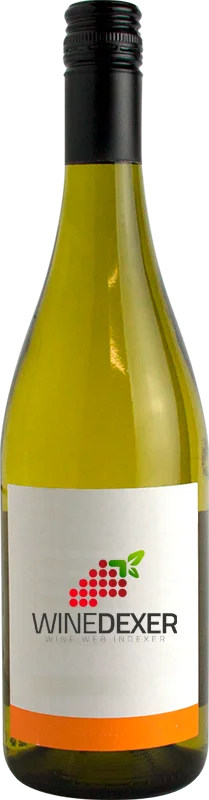
Winery Abbe RousIn Fine Collioure Blanc
 White wine


In the mouth this white wine is a powerful.
This wine generally goes well with vegetarian, poultry or lean fish.

Taste structure of the In Fine Collioure Blanc from the Winery Abbe Rous
Light | Bold | |
Dry | Sweet | |
Soft | Acidic |
In the mouth the In Fine Collioure Blanc of Winery Abbe Rous in the region of Languedoc-Roussillon is a powerful.
Food and wine pairings with In Fine Collioure Blanc
Pairings that work perfectly with In Fine Collioure Blanc



Original food and wine pairings with In Fine Collioure Blanc


The In Fine Collioure Blanc of Winery Abbe Rous matches generally quite well with dishes of pasta, vegetarian or poultry such as recipes of pumpkin and courgette lasagne, light tuna-tomato quiche (without cream) or leek and fresh salmon tart.
Details and technical informations about Winery Abbe Rous's In Fine Collioure Blanc.
Discover the grape variety: Cornalin d'Aoste
Deep, structured reds with a dark, intense ruby color, firm tannins and a dense palate, offering intense aromas of black fruits (blackberry, blackcurrant), black cherry, spices, pepper, alpine and balsamic notes. Fine cellaring potential; mountain wines from altitude. Star of Valle d'Aosta DOC, grown on sun-drenched terraces between Aymavilles and Chambave. Italian indigenous variety of the Aosta Valley, distinct from Valais cornalin (rouge du pays).
Last vintages of this wine

The best vintages of In Fine Collioure Blanc from Winery Abbe Rous are 2013, 2011
Informations about the Winery Abbe Rous
The Winery Abbe Rous is one of of the world's great estates. It offers 50 wines for sale in the of Collioure to come and discover on site or to buy online.

The wine region of Collioure
Roussillon AOC on the Côte Vermeille, spectacular schist terrace vineyards facing the Mediterranean (up to 40% slope). Signature powerful, sun-drenched reds with signature notes of black blackberry, candied black cherry, garrigue, rosemary, cocoa and a spicy touch, firm tannins and warm palate — blend of Grenache, Syrah, Mourvèdre (min. 60%), Cinsault and Carignan. Round red-fruit rosés.
The wine region of Languedoc-Roussillon
Largest single French vineyard, dominated by sunny, generous reds. Spicy Syrah, candied Grenache (ripe fruit, garrigue), structured Carignan, deep Mourvèdre, supple Cinsault. Stars: structured Corbières, Minervois, Faugères, Saint-Chinian; round Côtes-du-Roussillon. Legendary vins doux naturels: Banyuls and Maury (fortified Grenache) with notes of cocoa, fig, prune.
The word of the wine: Barbarossa
A black wine and table grape variety grown in Corsica, which is used in the ajaccio appellation.