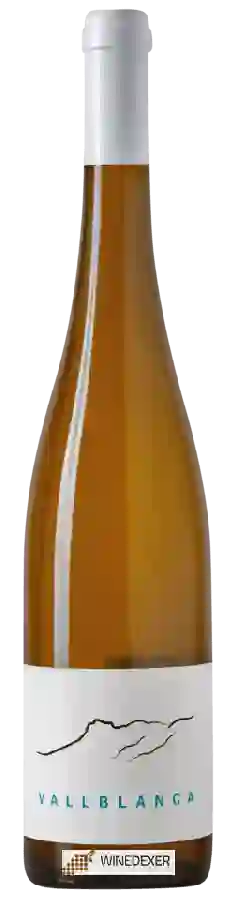
Winery La Casa de Las VidesVallblanca
 White wine


This wine generally goes well with poultry, rich fish (salmon, tuna etc) or mild and soft cheese.
Food and wine pairings with Vallblanca
Pairings that work perfectly with Vallblanca



Original food and wine pairings with Vallblanca


The Vallblanca of Winery La Casa de Las Vides matches generally quite well with dishes of rich fish (salmon, tuna etc), spicy food or sweet desserts such as recipes of tomato, zucchini and tuna flan, braised chicken and plantains or very simple muffins.
Details and technical informations about Winery La Casa de Las Vides's Vallblanca.
Discover the grape variety: Gewurztraminer
Gewurztraminer rosé is a grape variety that originated in France. It produces a variety of grape specially used for wine making. It is rare to find this grape to eat on our tables. This variety of vine is characterized by small bunches and small grapes. Gewurztraminer rosé can be found in many vineyards: Alsace, Loire Valley, Languedoc & Roussillon, Jura, Champagne, Lorraine, Provence & Corsica, Rhone Valley, Savoie & Bugey, Beaujolais, South West.
Last vintages of this wine
The best vintages of Vallblanca from Winery La Casa de Las Vides are 0, 2015
Informations about the Winery La Casa de Las Vides
The Winery La Casa de Las Vides is one of of the world's greatest estates. It offers 8 wines for sale in the of Valence to come and discover on site or to buy online.

The wine region of Valence
Valencia is a province in the centre of Spain's sunny east coast, perhaps better known for its oranges (and paella) than its wine. The administrative Center of Valencia is the city of the same name, the third largest in Spain and the largest port on the Mediterranean. Archaeological evidence suggests that wine making in Valencia dates back more than a thousand years, but the region has never been particularly prominent on the world wine map. In modern times, Valencia's wine production has focused on quantity rather than quality, although this is gradually changing.
The word of the wine: Phylloxera
Aphid that came from America and ravaged European vineyards at the end of the 19th century. It lives on the roots of the vine, from which it pumps the sap. The only vines capable of resisting it had to be imported from the United States, and then grafted onto their root system the wood of traditional French grape varieties. Today, grafted vines are always planted.