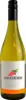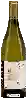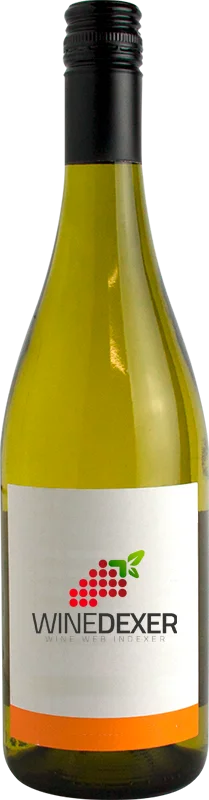
Winery La CacciatoraTrebbiano Rubicone
 White wine


In the mouth this white wine is a powerful with a nice freshness.
This wine generally goes well with lean fish, shellfish or mature and hard cheese.

Taste structure of the Trebbiano Rubicone from the Winery La Cacciatora
Light | Bold | |
Dry | Sweet | |
Soft | Acidic |
In the mouth the Trebbiano Rubicone of Winery La Cacciatora in the region of Piedmont is a powerful with a nice freshness.
Food and wine pairings with Trebbiano Rubicone
Pairings that work perfectly with Trebbiano Rubicone



Original food and wine pairings with Trebbiano Rubicone


The Trebbiano Rubicone of Winery La Cacciatora matches generally quite well with dishes of pasta, shellfish or mature and hard cheese such as recipes of ham and cheese macaroni gratin, lobster barbecue or beaufort pie.
Details and technical informations about Winery La Cacciatora's Trebbiano Rubicone.
Discover the grape variety: Gouais
Lively, neutral dry whites with a pale golden robe and a taut, acidic palate, with understated aromas of citrus and white flowers. Simple profile. Genetically the parent (with Pinot Noir) of many great varieties: Chardonnay, Aligoté, Gamay, Melon de Bourgogne, Riesling, etc. Today almost extinct, preserved for its exceptional genetic value in European variety collections. Historic white variety of Central Europe, ubiquitous in the Middle Ages.
Last vintages of this wine
The best vintages of Trebbiano Rubicone from Winery La Cacciatora are 0
Informations about the Winery La Cacciatora
The Winery La Cacciatora is one of of the world's great estates. It offers 85 wines for sale in the of Piedmont to come and discover on site or to buy online.

The wine region of Piedmont
Kingdom of Nebbiolo: Barolo and Barbaresco DOCG, long-ageing reds with firm tannins and lively acidity, complex aromas of withered rose, sour cherry, tar, truffle and undergrowth. More accessible, tangy Barbera on red fruit, supple, crisp Dolcetto. Sweet, floral sparkling Moscato d'Asti, mineral, lemony Gavi (Cortese) white, round, almondy Arneis from Roero. 50,000 ha across the Langhe, Roero and Monferrato, UNESCO.
The word of the wine: Yeast
Micro-organisms at the base of all fermentative processes. A wide variety of yeasts live and thrive naturally in the vineyard, provided that treatments do not destroy them. Unfortunately, their replacement by laboratory-selected yeasts is often the order of the day and contributes to the standardization of the wine. Yeasts are indeed involved in the development of certain aromas.