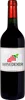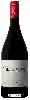
Winery l'HortgrandLanguedoc La Cigale... Montpeyroux
 Red wine
In the mouth this red wine is a powerful with a nice balance between acidity and tannins.
This wine generally goes well with beef, veal or pasta.
Taste structure of the Languedoc La Cigale... Montpeyroux from the Winery l'Hortgrand
Light | Bold | |
Smooth | Tannic | |
Dry | Sweet | |
Soft | Acidic |
In the mouth the Languedoc La Cigale... Montpeyroux of Winery l'Hortgrand in the region of Languedoc-Roussillon is a powerful with a nice balance between acidity and tannins.
Food and wine pairings with Languedoc La Cigale... Montpeyroux
Pairings that work perfectly with Languedoc La Cigale... Montpeyroux



Original food and wine pairings with Languedoc La Cigale... Montpeyroux
The Languedoc La Cigale... Montpeyroux of Winery l'Hortgrand matches generally quite well with dishes of beef, pasta or veal such as recipes of sweet and sour turkish dumpling soup (eksili köfte), lasagna with courgettes and fresh goat cheese or veal breast with new vegetables.
Details and technical informations about Winery l'Hortgrand's Languedoc La Cigale... Montpeyroux.
Discover the grape variety: Villard noir
An interspecific cross between Chancellor - 7053 Seibel - and 6905 Seibel or Subéreux, obtained by the Seyve-Villard company, formerly located in Saint Vallier in the Drôme. As with the white Villard - 12375 Seyve-Villard - these were the two most widely planted direct-producer hybrids. Today, Villard noir is on the verge of extinction, although it is listed in the Official Catalogue of Wine Grape Varieties, list A1.
Informations about the Winery l'Hortgrand
The Winery l'Hortgrand is one of of the world's greatest estates. It offers 4 wines for sale in the of Languedoc-Roussillon to come and discover on site or to buy online.

The wine region of Languedoc-Roussillon
Languedoc (formerly Coteaux du Languedoc) is a key appellation used in the Languedoc-Roussillon wine region of southern France. It covers Dry table wines of all three colors (red, white and rosé) from the entire region, but leaves Sweet and Sparkling wines to other more specialized appellations. About 75% of all Languedoc wines are red, with the remaining 25% split roughly down the middle between whites and rosés. The appellation covers most of the Languedoc region and almost a third of all the vineyards in France.
The word of the wine: Hautain (en)
Pruning of the vine in height.