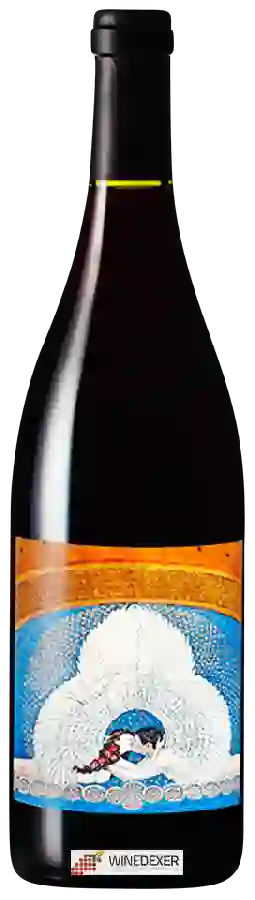
Domaine de l'EcuNobis
 Red wine


This wine generally goes well with beef, lamb or mature and hard cheese.

Wine flavors and olphactive analysis





On the nose the Nobis of Domaine de l'Ecu in the region of Loire Valley often reveals types of flavors of cherry, oaky or smoke and sometimes also flavors of earthy, blackberry or blueberry.
Food and wine pairings with Nobis
Pairings that work perfectly with Nobis



Original food and wine pairings with Nobis

The Nobis of Domaine de l'Ecu matches generally quite well with dishes of beef, lamb or spicy food such as recipes of small stuffed fish from nice, saddle of lamb stuffed with chicken breast and basil or royal couscous (lamb, chicken, merguez).
Details and technical informations about Domaine de l'Ecu's Nobis.
Discover the grape variety: Albalonga
Full-bodied aromatic whites with a pale to amber golden robe and an ample palate, with signature muscat aromas, white flowers, apricot and honeyed notes in sweet styles. Mainly sweet and botrytised wines (BA, TBA). Grown on small surfaces in Franconia and the German Palatinate. German white variety obtained in 1951 by Heinrich Birk at Geisenheim (Rieslaner × Sylvaner), early-ripening and productive.
Last vintages of this wine

The best vintages of Nobis from Domaine de l'Ecu are 2017, 2015
Informations about the Domaine de l'Ecu
The Domaine de l'Ecu is one of of the world's greatest estates. It offers 50 wines for sale in the of Loire Valley to come and discover on site or to buy online.

The wine region of Loire Valley
Kingdom of lively, dry whites and fine sparklers. Mineral, taut Sauvignon Blanc (Sancerre, Pouilly-Fumé) with citrus and gunflint notes. Multiform Chenin Blanc (Vouvray, Savennières, Layon): straight dry, floral off-dry or noble sweet honey-quince. Saline, iodised Muscadet (Melon B.
The word of the wine: Metis (grape variety)
A grape variety resulting from the crossing of two varieties of the same species. For example, pinotage (a South African grape variety) is the result of crossing pinot noir and cinsault.