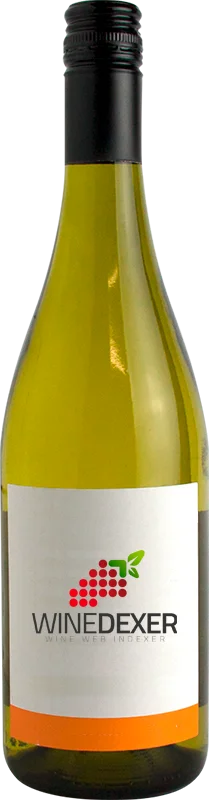
Winery Kumpf et MeyerMuscat Westerberg
 White wine


This wine generally goes well with spicy food and sweet desserts.

Food and wine pairings with Muscat Westerberg
Pairings that work perfectly with Muscat Westerberg


Original food and wine pairings with Muscat Westerberg
The Muscat Westerberg of Winery Kumpf et Meyer matches generally quite well with dishes of spicy food or sweet desserts such as recipes of pasta with broccoli or grandma's cherry clafoutis.
Details and technical informations about Winery Kumpf et Meyer's Muscat Westerberg.
Discover the grape variety: Räuschling
Lively and elegant whites with fine tension, a pale golden colour, a light palate with preserved acidity and signature aromas of citrus (lemon), white flowers, white-fleshed fruits (green apple) and mineral notes. A rediscovered heritage variety. Grown mainly in the canton of Zurich (lake shores), it produces characterful artisan cuvées. Ancient Swiss white variety, nearly extinct, now preserved for its heritage value.
Informations about the Winery Kumpf et Meyer
The Winery Kumpf et Meyer is one of of the world's great estates. It offers 49 wines for sale in the of Alsace to come and discover on site or to buy online.

The wine region of Alsace
Capital of great French aromatic whites, most often dry and single-varietal. Straight, mineral Riesling (lemon, gunflint), opulent, exuberant Gewurztraminer (lychee, rose, spices), round, smoky Pinot Gris, floral, crisp Muscat, supple Pinot Blanc. Fine, fruity Crémants d'Alsace, exceptional sweet Vendanges Tardives and Sélection de Grains Nobles. 15,500 ha at the foot of the Vosges on varied soils, 51 Grands Crus since 1975.
The word of the wine: Pulp
Fleshy and juicy part of the grape berry, it contains sugars, organic acids and various nitrogenous and mineral compounds.