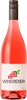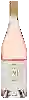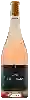
Winery Kings CareyRosé
 Pink wine


This wine generally goes well with beef and mature and hard cheese.
Wine flavors and olphactive analysis


On the nose the Rosé of Winery Kings Carey in the region of California often reveals types of flavors of oak.
Food and wine pairings with Rosé
Pairings that work perfectly with Rosé


Original food and wine pairings with Rosé
The Rosé of Winery Kings Carey matches generally quite well with dishes of beef or mature and hard cheese such as recipes of beef and spice stuffed peppers or mini ham and cheese cakes.
Details and technical informations about Winery Kings Carey's Rosé.
Discover the grape variety: Serna
Intraspecific cross between moscatel rosado and (cardinal x sultanine) obtained in San Rafael, Argentina at the Inta station by Angelo Gargiulo and registered in 2010 in the Official Catalogue of table grape varieties list A. It can be found in Italy and Spain, but is rarely grown in France.
Last vintages of this wine
The best vintages of Rosé from Winery Kings Carey are 0
Informations about the Winery Kings Carey
The Winery Kings Carey is one of of the world's greatest estates. It offers 3 wines for sale in the of Santa Ynez Valley to come and discover on site or to buy online.

The wine region of Santa Ynez Valley
The wine region of Santa Ynez Valley is located in the region of Santa Barbara County of California of United States. We currently count 227 estates and châteaux in the of Santa Ynez Valley, producing 839 different wines in conventional, organic and biodynamic agriculture. The wines of Santa Ynez Valley go well with generally quite well with dishes .
The wine region of California
California is the largest and most important wine region in the United States. It represents the southern two-thirds (850 miles or 1,370 kilometers) of the country's west coast. (Oregon and Washington make up the rest. ) The state also spans nearly 10 degrees of latitude.
The word of the wine: Chaptalization
The addition of sugar at the time of fermentation of the must, an ancient practice, but theorized by Jean-Antoine Chaptal at the dawn of the 19th century. The sugar is transformed into alcohol and allows the natural degree of the wine to be raised in a weak or cold year, or - more questionably - when the winegrower has a harvest that is too large to obtain good maturity.