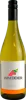
Winery KershawThe Smugglers Boot Sauvignon Blanc - Semillon
 White wine
This wine generally goes well with vegetarian, poultry or rich fish (salmon, tuna etc).
Food and wine pairings with The Smugglers Boot Sauvignon Blanc - Semillon
Pairings that work perfectly with The Smugglers Boot Sauvignon Blanc - Semillon



Original food and wine pairings with The Smugglers Boot Sauvignon Blanc - Semillon


The The Smugglers Boot Sauvignon Blanc - Semillon of Winery Kershaw matches generally quite well with dishes of rich fish (salmon, tuna etc), shellfish or sweet desserts such as recipes of garba ( ivory coast ), quick crayfish chicken or chocolate mug cake.
Details and technical informations about Winery Kershaw's The Smugglers Boot Sauvignon Blanc - Semillon.
Discover the grape variety: Lercat
Most certainly Pyrenean of Jurançonnais more precisely. It has long been confused with the lauzet, although its leaves are somewhat different. It is practically no longer present in the vineyards, which means that it is clearly on the way out. Published genetic analyses have revealed that it is related to one or more grape varieties, including Courbu Blanc. For more information, click here! - Synonymy: Arcat in Lasseube (Pyrénées atlantiques) (the synonymy of the grape varieties, click here!).
Informations about the Winery Kershaw
The Winery Kershaw is one of of the world's great estates. It offers 29 wines for sale in the of Western Cape to come and discover on site or to buy online.

The wine region of Western Cape
The Western Cape is home to the vast majority of the South African wine industry, and the country's two most famous wine regions, Stellenbosch and Paarl. The city of Cape Town serves as the epicenter of the Cape Winelands, a mountainous, biologically diverse area in the south-western corner of the African continent. A wide variety of wines are produced here. Wines from the Shiraz and Pinotage">Pinotage grape varieties can be fresh and juicy or Full-bodied and gutsy.
The word of the wine: Effervescent
Any wine loaded with CO2 (carbon dioxide), which is revealed in the form of bubbles, reinforcing the freshness effect in the mouth. This gas production is the result of what is called the second fermentation in the bottle. It occurs in champagnes and sparkling wines such as crémants.