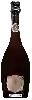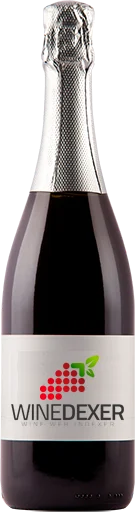
Winery Josep MasachsCava Brut Rosé
 Sparkling wine


In the mouth this sparkling wine is a with a nice vivacity and a fine and pleasant bubble.
This wine generally goes well with appetizers and snacks, lean fish or shellfish.

Taste structure of the Cava Brut Rosé from the Winery Josep Masachs
Light | Bold | |
Soft | Acidic | |
Gentle | Fizzy |
In the mouth the Cava Brut Rosé of Winery Josep Masachs in the region of Cava is a with a nice vivacity and a fine and pleasant bubble.
Food and wine pairings with Cava Brut Rosé
Pairings that work perfectly with Cava Brut Rosé



Original food and wine pairings with Cava Brut Rosé


The Cava Brut Rosé of Winery Josep Masachs matches generally quite well with dishes of shellfish, appetizers and snacks or lean fish such as recipes of mi sao, tomato tartar or asian style fish papillote (very healthy).
Details and technical informations about Winery Josep Masachs's Cava Brut Rosé.
Discover the grape variety: Mourvèdre
Powerful, deep reds with firm tannins and dense texture, showing aromas of blackberry, leather, garrigue, black pepper, liquorice and animal notes (game, forest floor) with age. Star of Bandol AOC as a single variety and pillar of Châteauneuf-du-Pape, Gigondas and Costières blends. Also in GSM in Languedoc and Australia. A late-ripening variety of Spanish origin (Mataró/Monastrell).
Last vintages of this wine
The best vintages of Cava Brut Rosé from Winery Josep Masachs are 0
Informations about the Winery Josep Masachs
The Winery Josep Masachs is one of of the world's greatest estates. It offers 21 wines for sale in the of Cava to come and discover on site or to buy online.

The wine region of Cava
Spain's star traditional-method sparkler, the Iberian equivalent of Champagne. Three Catalan grapes blended: Macabeo (apple, freshness), Xarel-lo (body and herbaceous notes), Parellada (elegance and floral finesse). Chardonnay and Pinot Noir also allowed. From fruit-driven Brut to Gran Reserva (30 months on lees) with brioche and toasted notes.
The word of the wine: Acescence
An alteration in wine also known as pitting (hence the expression piqué wine), due to the presence of acetic acid and ethyl acetate, and characterized by a vinegar-like odor.