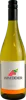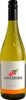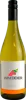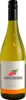
Winery Josef FriederichWeisser Burgunder Classic
 White wine
In the mouth this white wine is a with a nice freshness.
This wine generally goes well with rich fish (salmon, tuna etc), shellfish or mild and soft cheese.
Taste structure of the Weisser Burgunder Classic from the Winery Josef Friederich
Light | Bold | |
Dry | Sweet | |
Soft | Acidic |
In the mouth the Weisser Burgunder Classic of Winery Josef Friederich in the region of Rheinhessen is a with a nice freshness.
Food and wine pairings with Weisser Burgunder Classic
Pairings that work perfectly with Weisser Burgunder Classic



Original food and wine pairings with Weisser Burgunder Classic

The Weisser Burgunder Classic of Winery Josef Friederich matches generally quite well with dishes of rich fish (salmon, tuna etc), shellfish or mild and soft cheese such as recipes of hawaiian poke bowl, seafood risotto or fettuccine with cream and cheese.
Details and technical informations about Winery Josef Friederich's Weisser Burgunder Classic.
Discover the grape variety: Harslevelu
Most certainly Hungarian. It is also found in Slovakia, Romania, Bulgaria, Russia, and even Australia. In Hungarian, "harslevelu" means "lime leaf".
Informations about the Winery Josef Friederich
The Winery Josef Friederich is one of of the world's great estates. It offers 51 wines for sale in the of Rheinhessen to come and discover on site or to buy online.

The wine region of Rheinhessen
Rheinhessen is Germany's largest region for producing the quality wines of the Qualitätswein bestimmter Anbaugebiete (QbA) and Prädikatswein designations, with roughly 26,500 hectares (65,000 acres) of Vineyard">Vineyards as of 2014. Many of its most significant viticultural areas are favorably influenced by the Rhine river, which runs aLong its North and eastern borders. The Rhine, along with the Nahe river to the west and the Haardt mountains to its South, form a natural border. Rheinhessen covers an area south of Rheingau, north of Pfalz and east of Nahe, and is located within the Rhineland-Palatinate federal state.
The word of the wine: Tartar (deposit)
White, chalky deposits that occur as a result of precipitation inside bottles and are often considered by consumers as a defect. They are in fact tartaric salts formed by tartaric acid, potassium and calcium naturally present in the wine. This deposit does not alter the quality of the wine and can be eliminated by a simple decanting.