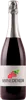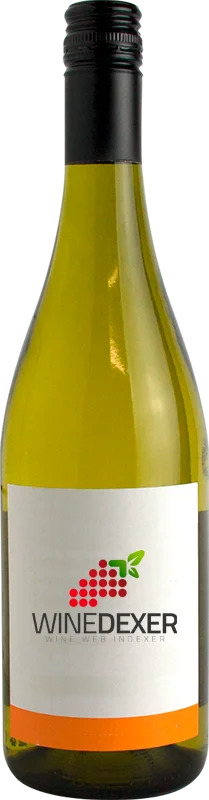
Winery Jean-Louis DenoisVignoble des Fenouillédes Muscat
 White wine
In the mouth this white wine is a .
This wine generally goes well with vegetarian, poultry or lean fish.
Taste structure of the Vignoble des Fenouillédes Muscat from the Winery Jean-Louis Denois
Light | Bold | |
Dry | Sweet | |
Soft | Acidic |
In the mouth the Vignoble des Fenouillédes Muscat of Winery Jean-Louis Denois in the region of Languedoc-Roussillon is a .
Food and wine pairings with Vignoble des Fenouillédes Muscat
Pairings that work perfectly with Vignoble des Fenouillédes Muscat



Original food and wine pairings with Vignoble des Fenouillédes Muscat


The Vignoble des Fenouillédes Muscat of Winery Jean-Louis Denois matches generally quite well with dishes of pasta, vegetarian or poultry such as recipes of special' tagliatelle carbonara, summer tuna quiche or royal couscous.
Details and technical informations about Winery Jean-Louis Denois's Vignoble des Fenouillédes Muscat.
Discover the grape variety: Picolit noir
A very old grape variety, which almost disappeared, cultivated for a very long time in the north-east of Italy, more precisely in the region of Friuli bordering with Aurelia and Slovenia. It can be found in Italy, but also in Spain, ... in France it is completely unknown. Note that it is not related to the white picolit.
Informations about the Winery Jean-Louis Denois
The Winery Jean-Louis Denois is one of of the world's great estates. It offers 77 wines for sale in the of Languedoc-Roussillon to come and discover on site or to buy online.

The wine region of Languedoc-Roussillon
Languedoc (formerly Coteaux du Languedoc) is a key appellation used in the Languedoc-Roussillon wine region of southern France. It covers Dry table wines of all three colors (red, white and rosé) from the entire region, but leaves Sweet and Sparkling wines to other more specialized appellations. About 75% of all Languedoc wines are red, with the remaining 25% split roughly down the middle between whites and rosés. The appellation covers most of the Languedoc region and almost a third of all the vineyards in France.
The word of the wine: Ladle
Said of a wine that is not clear due to the presence of colloidal suspensions that prevent the passage of light.