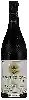
Winery Jean Claude RaspailLigne Rouge la Roustiere Syrah
 Red wine


This wine generally goes well with beef, lamb or mature and hard cheese.

Food and wine pairings with Ligne Rouge la Roustiere Syrah
Pairings that work perfectly with Ligne Rouge la Roustiere Syrah



Original food and wine pairings with Ligne Rouge la Roustiere Syrah

The Ligne Rouge la Roustiere Syrah of Winery Jean Claude Raspail matches generally quite well with dishes of beef, lamb or spicy food such as recipes of beef bourguignon with tomato, lamb marinated in white wine or tunisian tagine.
Details and technical informations about Winery Jean Claude Raspail's Ligne Rouge la Roustiere Syrah.
Discover the grape variety: Viosinho
Structured, aromatic dry whites with a pale golden colour, an ample palate and preserved acidity, showing refined aromas of citrus (lemon, orange), white flowers (acacia, orange blossom), yellow fruits (pear, peach, apricot) and schistous mineral notes. Fine ageing and cellaring potential. An essential component of the great whites of Douro DOC and white Port. Indigenous Portuguese variety of the Douro and Trás-os-Montes, signature of north-eastern Portugal.
Last vintages of this wine
The best vintages of Ligne Rouge la Roustiere Syrah from Winery Jean Claude Raspail are 2016
Informations about the Winery Jean Claude Raspail
The Winery Jean Claude Raspail is one of of the world's greatest estates. It offers 12 wines for sale in the of Rhone Valley to come and discover on site or to buy online.

The wine region of Rhone Valley
France's 2nd-largest AOC vineyard, two complementary worlds. Northern: pure Syrah in signature reds (Côte-Rôtie, Hermitage, Cornas), deep and peppery with blackberry, violet, black olive and smoked bacon notes, exceptional ageing. Opulent Viognier whites (Condrieu, apricot, flowers) and ample Marsanne-Roussanne. Southern: sun-soaked Grenache blends at Châteauneuf, Gigondas, Vacqueyras (candied fruit, garrigue).
The word of the wine: Overmaturation
When the grapes reach maturity, the skin becomes permeable and progressively loses water, which causes a concentration phenomenon inside the berry. This is called over-ripening or passerillage.