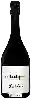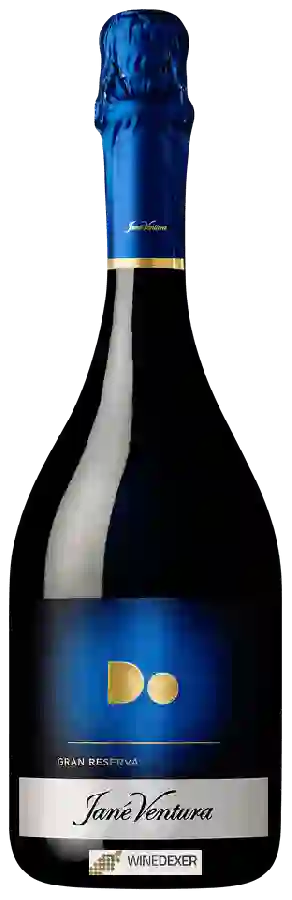
Winery Jané VenturaDo Gran Reserva
 Sparkling wine



This wine is a blend of 2 varietals which are the Parellada and the Xarello.
In the mouth this sparkling wine is a with a nice vivacity and a fine and pleasant bubble.
This wine generally goes well with appetizers and snacks, lean fish or shellfish.
The Do Gran Reserva of the Winery Jané Ventura is in the top 90 of wines of Cava.

Taste structure of the Do Gran Reserva from the Winery Jané Ventura
Light | Bold | |
Soft | Acidic | |
Gentle | Fizzy |
In the mouth the Do Gran Reserva of Winery Jané Ventura in the region of Cava is a with a nice vivacity and a fine and pleasant bubble.
Wine flavors and olphactive analysis





On the nose the Do Gran Reserva of Winery Jané Ventura in the region of Cava often reveals types of flavors of non oak, earth or microbio and sometimes also flavors of vegetal, oak or tree fruit.
Food and wine pairings with Do Gran Reserva
Pairings that work perfectly with Do Gran Reserva



Original food and wine pairings with Do Gran Reserva


The Do Gran Reserva of Winery Jané Ventura matches generally quite well with dishes of shellfish, appetizers and snacks or lean fish such as recipes of seafood pastilla, baguette filled with saint moret and ham or roast monkfish with bacon.
Discover the grape variety: Parellada
Lively, elegant whites with finely chiselled acidity and a light palate, with aromas of lemon, green apple, white flowers, fresh herbs and discreet mineral notes. Brings freshness and aromatic finesse to Cava DO blends (with macabeo and xarel-lo), defining the taut identity of Catalan sparkling wines. Also as light still whites in Penedès DO and Conca de Barberà DO. Native Catalan variety grown at altitude.
Last vintages of this wine
The best vintages of Do Gran Reserva from Winery Jané Ventura are 2009, 2013, 2012, 2011 and 0.
Informations about the Winery Jané Ventura
The Winery Jané Ventura is one of of the world's greatest estates. It offers 28 wines for sale in the of Cava to come and discover on site or to buy online.

The wine region of Cava
Spain's star traditional-method sparkler, the Iberian equivalent of Champagne. Three Catalan grapes blended: Macabeo (apple, freshness), Xarel-lo (body and herbaceous notes), Parellada (elegance and floral finesse). Chardonnay and Pinot Noir also allowed. From fruit-driven Brut to Gran Reserva (30 months on lees) with brioche and toasted notes.
The word of the wine: Ampélographie
Study of the vine, and more particularly the grape varieties.