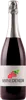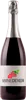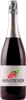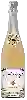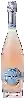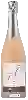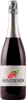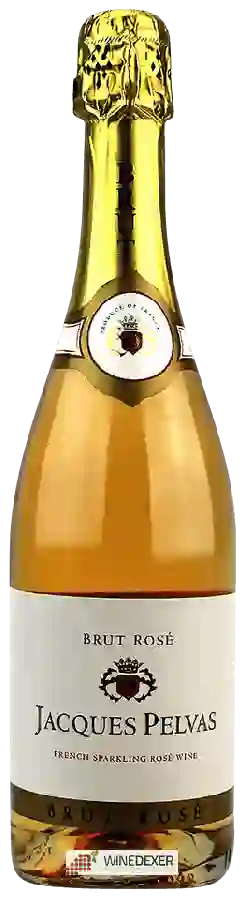
Winery Jacques PelvasBrut Rosé
 Sparkling wine



This wine generally goes well with beef and mature and hard cheese.

Wine flavors and olphactive analysis



On the nose the Brut Rosé of Winery Jacques Pelvas in the region of Provence often reveals types of flavors of peach, strawberries or raspberry and sometimes also flavors of earth, tree fruit or red fruit.
Food and wine pairings with Brut Rosé
Pairings that work perfectly with Brut Rosé


Original food and wine pairings with Brut Rosé
The Brut Rosé of Winery Jacques Pelvas matches generally quite well with dishes of beef or mature and hard cheese such as recipes of piglet shoulder with melting baked apples or stuffed eggplant bonifacian style.
Details and technical informations about Winery Jacques Pelvas's Brut Rosé.
Discover the grape variety: Dolcetto nero
Supple, fruity reds with an intense violet-ruby hue, rounded tannins and a smooth palate, with flavours of blackberry, plum, black cherry, blueberry, bitter almond and floral notes (violet). Moderate acidity, easy-drinking wines ideal young with cured meats and Piedmontese pasta. Star of Dogliani DOCG, Dolcetto d'Alba DOC, Dolcetto di Diano d'Alba DOCG and Dolcetto di Ovada DOCG. Native Piedmontese variety; its name evokes the sweetness of ripe grapes ("little sweet one").
Informations about the Winery Jacques Pelvas
The Winery Jacques Pelvas is one of of the world's greatest estates. It offers 5 wines for sale in the of Provence to come and discover on site or to buy online.

The wine region of Provence
World capital of dry, refined rosé (~90% of production). Pale rose-petal colour, delicate nose of fresh red fruits (strawberry, raspberry, redcurrant), citrus (pink grapefruit), white flowers and a mineral touch, taut and thirst-quenching palate — the Mediterranean aperitif par excellence. Blends of Grenache, Cinsault, Syrah, Tibouren and Mourvèdre. Fleshy Bandol reds from Mourvèdre (leather, garrigue, age-worthy), straight Cassis whites.
The word of the wine: Gluing
Method consisting in clarifying the wine and giving it a limpidity by incorporating a specific product.