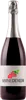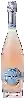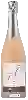
Winery Maries de la MerBrut Rosé
 Sparkling wine


This wine generally goes well with beef and mature and hard cheese.
Food and wine pairings with Brut Rosé
Pairings that work perfectly with Brut Rosé


Original food and wine pairings with Brut Rosé
The Brut Rosé of Winery Maries de la Mer matches generally quite well with dishes of beef or mature and hard cheese such as recipes of venison leg in casserole or franco-comtois beef.
Details and technical informations about Winery Maries de la Mer's Brut Rosé.
Discover the grape variety: Lakemont
Interspecific cross between ontario (winchell x diamond) and sultana made in 1972 by John Einset (1915/1981) at the New York State Agricultural Experimental Station (United States). It is certainly known in the United States but also in Canada, in many European wine-producing countries including Germany and England where it is cultivated under greenhouses and tunnels, most often cold, ... little multiplied and therefore little known in France except by amateur gardeners. The interlaken which looks a little like the himrod, the himrod and the romulus have the same parents.
Last vintages of this wine
The best vintages of Brut Rosé from Winery Maries de la Mer are 2017
Informations about the Winery Maries de la Mer
The Winery Maries de la Mer is one of of the world's greatest estates. It offers 2 wines for sale in the of Provence to come and discover on site or to buy online.

The wine region of Provence
Provence is a wine region in the far southeast of France, best known for the quality (and quantity) of its rosé wines and for its Warm, mild Climate. The modernization that is taking place in many of the traditional wine regions of southern France has not yet taken place to the same extent in Provence, but there are Clear signs of change. The region's Grape varieties, in particular, have come under scrutiny in recent decades. Traditional varieties such as Carignan, Barbaroux (Barbarossa from Sardinia) and Calitor are being replaced by more commercially viable varieties such as Grenache, Syrah and even Cabernet Sauvignon.
The word of the wine: Extra-dry
Champagne with between 12 and 20 grams of sugar (see dosage liqueur).