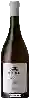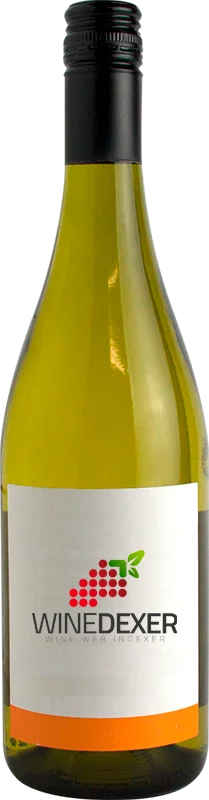
Winery Joao Portugal RamosAntão Vaz Alentejano
 White wine


In the mouth this white wine is a .
This wine generally goes well with pork, lean fish or shellfish.
Taste structure of the Antão Vaz Alentejano from the Winery Joao Portugal Ramos
Light | Bold | |
Dry | Sweet | |
Soft | Acidic |
In the mouth the Antão Vaz Alentejano of Winery Joao Portugal Ramos in the region of Alentejano is a .
Food and wine pairings with Antão Vaz Alentejano
Pairings that work perfectly with Antão Vaz Alentejano



Original food and wine pairings with Antão Vaz Alentejano

The Antão Vaz Alentejano of Winery Joao Portugal Ramos matches generally quite well with dishes of pasta, pork or shellfish such as recipes of pork filet mignon with foie gras and rosemary, tagliatelle with carbonara or lamb curry indian style.
Details and technical informations about Winery Joao Portugal Ramos's Antão Vaz Alentejano.
Discover the grape variety: Iona
It is said to come from a seedling of diana - the latter is also a seedling of catawba - and propagated in 1860 by Dr. C.W. Grant, the introduction in the United States would date from 1863. Other ampelographers give it as coming directly from a seedling of catawba. The only certainty is that it is an interspecific cross with Vitis Labrusca as a parent. It should be noted that it is the parent of the diamond and the golden muscat. Iona can be found in the United States, Canada, New Zealand, etc. In France it is totally unknown. This variety can only be of interest to amateur gardeners, on the one hand to enlarge their collections and on the other hand, because it produces an excellent juice.
Last vintages of this wine
The best vintages of Antão Vaz Alentejano from Winery Joao Portugal Ramos are 0
Informations about the Winery Joao Portugal Ramos
The Winery Joao Portugal Ramos is one of of the world's great estates. It offers 29 wines for sale in the of Alentejano to come and discover on site or to buy online.

The wine region of Alentejano
Tejo">Alentejo is a well-known, highly respected wine region in eastern Portugal. This hot, Dry area covers approximately a third of the country and is best known for its red wine, the best of which are sold under the and Alentejo DOC (Denominacao de Origem Controlada) title. Wine from Alentejo is typically made from Aragonez (Tempranillo), Castelao, Trincadeira or a Rich, ripe, jammy blend of the three. Antao Vaz is the white variety of choice here, producing a good level of Acidity and tropical fruit flavors.
The word of the wine: Mineral
Taste reminiscent of gunflint, chalk and many nuances of the mineral world, and reinforcing, especially in white wines, the notion of freshness and the sappy character.