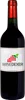
Winery J CorbineauLes Hauts de Viais
 Red wine
This wine generally goes well with beef, veal or pasta.

Food and wine pairings with Les Hauts de Viais
Pairings that work perfectly with Les Hauts de Viais



Original food and wine pairings with Les Hauts de Viais
The Les Hauts de Viais of Winery J Corbineau matches generally quite well with dishes of beef, pasta or veal such as recipes of provencal stew, macaroni and cheese or veal cutlets au gratin.
Details and technical informations about Winery J Corbineau's Les Hauts de Viais.
Discover the grape variety: Muscat Ottonel
Delicate and fine muscat whites with a tender palate and moderate acidity, on intense and refined aromas of orange blossom, rose, fresh grape, citrus, white peach and airy muscat (more subtle than Muscat Blanc à Petits Grains). Made as aromatic dry aperitif whites (Alsace, Baden), off-dry and sumptuous botrytised liquoreux (Burgenland in Austria, Cotnari in Romania, Tokaj). Created in the 19th century by Robert Moreau (Angers), a cross of Chasselas × Muscat de Saumur.
Informations about the Winery J Corbineau
The Winery J Corbineau is one of of the world's greatest estates. It offers 6 wines for sale in the of Languedoc to come and discover on site or to buy online.

The wine region of Languedoc
Sunny, generous southern reds: spicy, peppery Syrah, round, candied Grenache (ripe fruit, garrigue), deep Mourvèdre, structured Carignan, supple Cinsault. From robust Corbières and Minervois to fresher Terrasses du Larzac, via Faugères on schist or taut Pic Saint-Loup. Lively, iodised Picpoul de Pinet whites (oysters), ample Roussanne and Marsanne. 14 sub-appellations, ~10,000 ha in regional AOC.
The wine region of Languedoc-Roussillon
Largest single French vineyard, dominated by sunny, generous reds. Spicy Syrah, candied Grenache (ripe fruit, garrigue), structured Carignan, deep Mourvèdre, supple Cinsault. Stars: structured Corbières, Minervois, Faugères, Saint-Chinian; round Côtes-du-Roussillon. Legendary vins doux naturels: Banyuls and Maury (fortified Grenache) with notes of cocoa, fig, prune.
The word of the wine: Lyon pot
A 46 cl bottle with a thick bottom, typical of the Lyon region, especially used to serve Beaujolais wines drawn from the barrel.